We may receive a fee from trusted installers when you request a quote, or a commission when you buy through links on our site. This helps us keep our content independent, well-researched and up to date – Learn more
- The UK has the opportunity to learn a lot from Germany’s plug-in solar market
- Clear guidance and information is needed to help the UK make the most of the technology
- The huge number of houses as opposed to flats makes for a different, possibly bigger return
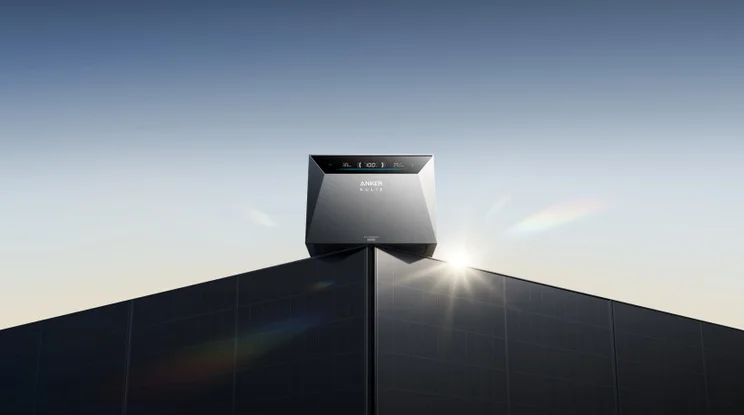
Plug-in solar has the potential to make clean, cheap energy available for every British consumer, regardless of where they live or what type of property they own or rent. By the end of 2026, the government is set to make plug-in solar panels widely available and potentially at a huge discount depending on its talks with major retailers.
What does this mean? It means there are huge opportunities to make solar the norm and get millions more people generating solar and cut our dependence on volatile gas prices. As the increase in wholesale gas prices has caused a double-digit increase in the energy price cap, something that is unlikely to come down any time soon, it should be no surprise that government ministers want to make solar energy more freely available to people.
How do we get there? At The Eco Experts, we’ve teamed up with Anker SOLIX, the biggest manufacturer of plug and play solar products in the world, to take a look at what lessons the UK can learn from Germany when it comes to making the most of plug-in solar.
We can learn a lot from Germany, where market flexibility and government help has created the most mature plug-in solar market in Europe.
Is the UK government supporting plug-in solar?
Yes, unequivocally so. The UK government has made its position clear, it sees plug-in solar as the next big step towards protecting UK households from ballooning energy bills. Earlier in July it confirmed regulatory changes that would make it legal to safely roll out plug-in solar panels.
Right now it is negotiating with major retailers to get plug-in solar panels on sale in your local supermarket, as they are available to buy in Germany. Thanks to the changes in the law, they could be available to buy and plug in as early as the 27th August.
Once they’re available on supermarket shelves, everyone will be able to go through the process of roof-top installation. You’ll only need a small mounting structure, cables, and your solar panel(s).
Who does this benefit? Anyone, especially:
- People who live in flats,
- People who live in rented accommodation,
- Households who can’t afford roof-top solar panels and or don’t qualify for a government grant
- Anyone who has solar rooftop panels installed already and wants to generate a bit more
Why has Germany done so well with plug-in solar?
According to Anker SOLIX, Germany is the benchmark for plug-in solar and its Balkonkraftwerk (meaning balcony solar) model shows how quickly and easily plug-in solar can become common among households. It has done well for a number of reasons:
- Supportive legislation
- High consumer awareness and
- Relatively expensive electricity
- Consumer choice and flexibility
Perhaps the biggest decision the German government made was in 2024 when it made plug-solar panels ‘privileged’ assets, effectively blocking building managers and landlords from stopping people installing them on the grounds that they change a building’s appearance.
The result was this:
- Germany doubled the number of balcony solar panels installed in the space of 2024, surpassing the figure of 700,000 by October of that year.
- By 2025, the number of plug-in solar panels passed the one million mark.
- The growth is so quick that plug-in solar panels alone could meet about 2% of Germany’s total electricity demand by 2045.
Later in December 2025, the German government brought in the world’s first dedicated safety standards for plug-in solar panels. This has caused the price of plug-in solar panels to fall by about a third since 2024, with most now costing on average €200 (£170).
For consumers this means shaving hundreds off their energy bills every year, with plug-in solar panels paying for themselves within three to four years. In the UK the energy bill savings could be anywhere up to £110 a year, increasing by about £250 on top of that if combined with a battery to help store and use solar energy generated in the day at night.
According to Anker SOLIX, the clearer regulations are and the more information the public have, the more likely we are to see a similar boom in plug-in solar here.
Straightforward technical standards and better public awareness mean people have the confidence to adopt the technology. This is something the UK can learn from and Anker SOLIX believes that if people understand how these systems work and know they’re buying safe, compliant products, adoption will follow.
This is the stage the UK government currently finds itself in. Whereas Germany made plug-in solar accessible and then immediately afterwards updated its safety standards, the UK has already done the legal work, bringing in legislation to allow plug-in solar with 800W of output.
Anyone planning to use plug-in solar in the UK still needs to notify their DNO.
What do customers want from plug-in solar?
Updating the law and technical standards is one thing, but what Anker SOLIX says is pivotal is giving consumers flexibility, reliability and intelligent energy management.
“What we have consistently learned from German customers is that they value simplicity above everything else,” the company tells us. In short, German customers have shown that what’s needed is clear visibility over how much energy they are generating and saving.
People do not necessarily buy their forever system [that is their plug-in solar panel and battery] straightaway, but rather they want the freedom to add more storage as their family grows, energy use changes or if they buy another piece of clean technology, such as a heat pump or an electric vehicle.
Combining plug-in solar panels with a battery can save households even more money because they allow consumers to use the solar energy they’ve generated in the day at night. It also means they’re not reliant on the grid and don’t have to buy energy at the most expensive peak hours
This makes it critical that not only plug-in solar panels are easy to buy and install, but that people are given the information they need to use the technology in a way that suits them. Utility companies, retailers, manufacturers, and installers also need to play a role in educating consumers.
Germany has done a great deal to make it easy for consumers to use plug-in solar from an educational, legislative, and safety point of view.
What makes the UK plug-in solar market unique?
Does that mean that everything Germany has done, the UK should follow? Not quite, because there are key differences between the two markets. The term Balkonkraftwerk is inspired by the fact that 53% of Germans live in flats. By contrast, about 80% of Brits live in houses.
Whereas Germany appears to be well-suited to plug-in solar because of the high percentage of people who live in flats, Anker SOLIX believes the potential for the UK market could be even greater.
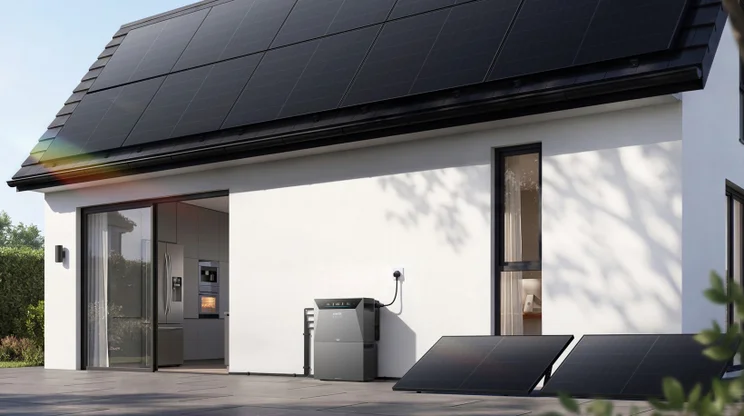
Why? Because plug-in solar isn’t just suitable for balconies but can in fact be used on garage roofs, gardens and patios, and indeed anywhere which catches the sun and can be plugged into a socket.
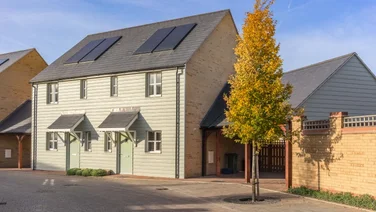
As a matter of fact, we’re about to hit a possible golden age of solar generation in the UK which plug-in panels will complement perfectly. Next year the Future Homes Standard will come into effect, meaning almost every newbuild will have to have solar panels on their roofs. Batteries, while not required as part of the Future Homes Standard, will be strongly recommended.
Anker SOLIX says plug-in solar will fit into this very neatly by giving households a simple, affordable way to generate and store their own electricity without the cost or complexity of a traditional installation. Whether it’s a new-build home or an existing property, anything that helps consumers take greater control of their energy use has an important role to play in the UK’s transition to cleaner power.
Rather than trying to replicate Germany exactly, the UK has an opportunity to build its own unique plug-in solar market. There are millions of households that have been priced out of conventional residential solar, as well as people living in listed buildings, conservation areas, or rented properties.
That’s where Anker SOLIX sees the biggest opportunity. If the government and industry gets the regulation, education, and consumer confidence right, the UK market has enormous potential.
What do electricians need to know about plug-in solar?
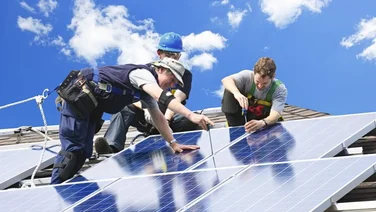
This is a big question because plug-in solar creates a whole new market that has not previously been served. Anker SOLIX believes that there will still be opportunities for electricians to install, commission, maintain and upgrade these systems. Some customers will also prefer the reassurance of having a professional fit the system, even if it is designed to be straightforward.
On top of that, plug-in solar could also be a useful entry point for electricians looking to learn about solar technology without immediately taking on all the costs and qualifications associated with larger residential installations.
Not only does plug-in solar represent a huge opportunity for consumers but it can also help educate and train the workforce that the UK needs to make solar energy the norm for everyone.
Key takeaways
- Plug-in solar offers a huge opportunity for domestic clean energy generation
- Germany is the most mature plug-in solar market in Europe and has huge lessons to offer the UK
- Clear legislation and technical standards, along with energy visibility, are what’s needed to make sure plug-in solar succeed
- The huge number of people in houses makes the UK a different market to Germany but potentially with bigger potential return