We may receive a fee from trusted installers when you request a quote, or a commission when you buy through links on our site. This helps us keep our content independent, well-researched and up to date – Learn more
- Conservatives will allow for more drilling in the North Sea, even though it only brings in £4.5bn in tax revenue
- More drilling in the North Sea would only cut our bills down by £82 at the most
- Only renewables and clean energy will help households long term
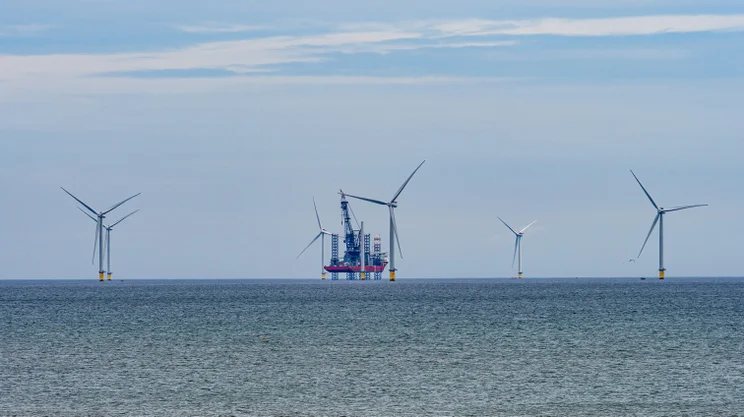
Conservative leader Kemi Badenoch has confirmed that the her party will approve the Rosebank and Jackdaw drilling licenses in the North Sea should it return to government, despite there being little to no benefit for billpayers.
During her speech at the Conservative Party Conference, Badenoch said a Tory government will “drill in the North Sea increase our tax revenues, and drive down energy prices.”
She did also admit that climate change is real said that the UK “needs renewables”, but her commitment to more North Sea drilling is a worry. Why? Because drilling in the North Sea does nothing for our energy bills.
Why is approving more drilling in the North Sea a waste of time?
- It would make no difference to our energy bills. Most estimates say it would be in the region of £16 to £82 a year per household at the very most, with some estimates putting that saving figure as little as £10.
- Almost all of it’s gone. The North Sea is what’s called a ‘mature basin’, which means it’s almost entirely depleted. As of 2026, anywhere from 90-94% of the North Sea’s known reserves have been taken. That means the North Sea only accounts for 0.11% of the world’s global gas reserves and 0.08% of the world’s oil reserves.
- More supply wouldn’t bring the price down. If you think that simply having more oil and gas on the market would make it cheaper, you’re wrong. The UK’s reserves have no sway over the international wholesale price of either oil or gas. That’s a massive reason why drilling will make no difference to how much we spend on energy.
- The UK part of the North Sea is privatised. Unlike the Norwegians, the UK chose to sell off the drilling and extraction rights to the North Sea basin when it privatised the British National Oil Corporation in 1982 (it was spun off as Britoil and then fully bought by BP in 1985). Because the industry is privatised, the oil and gas from the North Sea is not ours to use and the government has to buy it from the companies that extract it at the market price. It also makes Badenoch’s statement “We will drill in the North Sea…” hollow because the UK state doesn’t drill, it just lets private companies do so.
But wait, what about the tax revenue?
North Sea oil and gas brought in £4.5bn in tax revenue in 2025. That’s less than 1% of government annual spending. The revenue is also highly dependent on international prices that we have no control over. It also hinges on the Windfall Tax, which taxes profits at 78%. The Windfall Tax is set to expire on 31st March 2030, which means the tiny amount of money the North Sea brings in is set to get even smaller in just four years.
What should the government do instead of allowing more North Sea drilling?
This is what government and shadow government ministers should be focusing on instead:
These are the things he should concentrate on instead:
- Upgrading the National Grid so that it can cope with the clean energy our wind and solar farms are generating. That means getting more solar and wind farms up and running.
- Cut VAT on plug-in solar panels to make them more affordable.
- Make plug-in batteries fully legal as the government has done with plug-in solar panels.
- Extend the 0% VAT on roof-top solar panels beyond 31st March 2027.
- Make sure the Warm Homes Plan is as accessible as possible for people of all incomes to access solar panels, batteries, insulation and double glazing.