We may receive a fee from trusted installers when you request a quote, or a commission when you buy through links on our site. This helps us keep our content independent, well-researched and up to date – Learn more
- Cutting the Boiler Upgrade Scheme would thousands of households stuck using gas
- Ministers apparently are considering cutting grant for the sake of defence spending
- More than 93,000 households have used the Boiler Upgrade Scheme
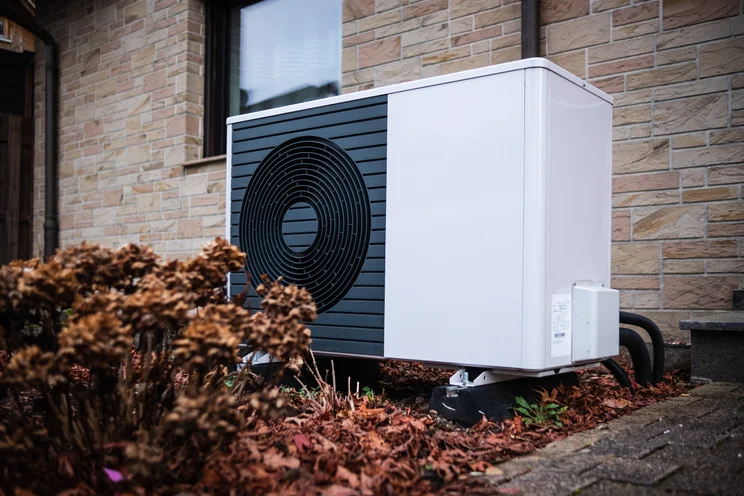
Cutting back on the Boiler Upgrade Scheme would leave households unable to afford heat pumps and be a huge setback for energy bills, according to industry experts.
Earlier this week, The Guardian reported that the government is planning to cut back on the Boiler Upgrade Scheme, the grant that helps households replace their gas boilers with heat pumps, in order to plug gaps in the defence budget.
This would be a huge mistake and keep billpayers hooked on gas, and therefore at the mercy of price volatility and geopolitical crises which makes the cost balloon.
Simon Francis, coordinator of the End Fuel Poverty Coalition, said that cutting support for heat pumps would “leave households tied to gas boilers and face continued exposure to global price shocks”.
According to Francis, every home that switches to clean heating is “one less home at the mercy of volatile gas markets”.
Some critics of the Scheme have said that it only really benefits well-off households that can afford to pay the remaining balance for a heat pump after the discount is applied, usually around £5,000. This is because eligibility for the Scheme is only dependent on the type of heating system you’re replacing. The usual eligibility factors, such as income, EPC rating, or if they receive benefits, don’t apply.
Despite this, Francis said that the Scheme has been “particularly useful for rural and off-gas households” which are facing “some of the highest heating costs” and with systems that are the “most expensive to upgrade”.
Francis says this can be changed by “targeting the resources better” instead of getting rid of the Scheme. “For example, a referral route, where healthcare professionals, energy advisers or social workers can confirm a household would benefit, would help reach people who cannot find thousands of pounds for the upfront cost,” Francis told us.
Bean Beanland, a consultant to the heat pump industry, said that it’s impossible to separate defence and energy costs.
“We are in a world where energy security and national security are inextricably linked,” Beanland told us.
“Energy independence is, in itself, a defence strategy, so maintaining the progress on reducing reliance on imported oil and gas is critical.
“Reducing the scope, or value, of the Boiler Upgrade Scheme would be counterintuitive when research demonstrates that the majority of heat pump installations would not have proceeded without the grant. Electrification of everything is core to UK sovereignty and defence.”
Heat pump manufacturer and installer Kensa, while not commenting on the possible move by the government, described the Boiler Upgrade Scheme as “helping people shift away from oil, LPG, and gas boilers towards low-carbon alternatives.”
“A stable, long term scheme that supports this growing market is critical to give consumers the confidence to make this necessary change and for the industry to invest and grow.”
Why is the government considering cutting the Boiler Upgrade Scheme?
The government is reportedly considering cutting the Boiler Upgrade Scheme to free up more money for defence spending. In its report, The Guardian said that energy secretary Miatta Fanhbulleh has to find £2bn in savings.
The Guardian’s sources say that the Boiler Upgrade Scheme will not be scrapped completely, even if a significant proportion of its £2.7bn budget is cut.
However, this would still be a huge blow to the UK’s efforts to get away from gas and oil, and getting away from gas and oil is the best way to bring energy bills down.
As of August 2026, 151,136 applications have been made by households looking to use the Boiler Upgrade Scheme, with 93,364 being approved.
When will we know more about any cutbacks to the Boiler Upgrade Scheme? We’ll likely hear on the 28th October when the government delivers the Budget.
According to Francis, any cuts to the government’s plans to help households cut energy prices will be seen as a betrayal by voters.
When contacted by The Eco Experts, the Department of Energy Security and Net Zero said:
“Savings for the Defence Investment Plan are a small part of DESNZ’s overall budget, which saw a significant uplift at Spending Review.
“We will set out how we will fund essential investment in our national security this autumn.”