We may receive a fee from trusted installers when you request a quote, or a commission when you buy through links on our site. This helps us keep our content independent, well-researched and up to date – Learn more
- More than a quarter of households in the UK want plug-in solar panels
- Demand for plug-in solar is outstripping demand for rooftop panels
- Not needing landlord permission is a big incentive to get plug-in solar panels
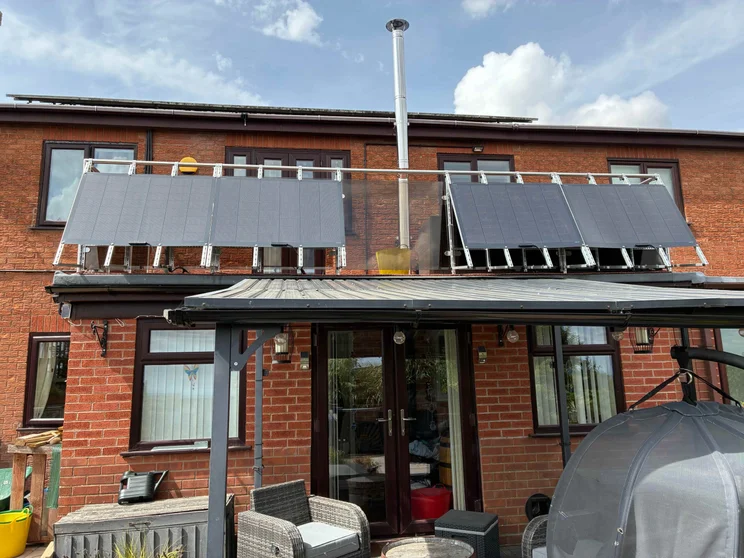
More than a quarter of households in the UK want to install plug-in solar panels, showing that demand is booming, according energy experts Uswitch.
New data says that seven million households (26% of all the households in the UK) want to have plug-in solar panels. That’s more than the 10% of households who say they plan to have roof-top solar panels installed in the next five years.
By contrast, one in eight households (13%) plan to get plug-in solar panels.
Demand for plug-in solar is greatest in London, with 35% saying they’re interested in them, followed by Manchester (33%), Nottingham (30%), and Sheffield (29%).
There is also a generational difference. One-in-three Gen Z adults (30%) are excited about plug-in solar, which is 15 times the proportion of ‘Boomers’ who are keen.
Why are households excited about plug-in solar panels?
Households are excited about plug-in solar panels for two big reasons:
- They can save households at least £110 from their energy bills
- They’re a lot easier to install than traditional roof-top solar panels
Since the law changed on 27th August to make plug-in solar panels fully legal to buy, loads of retailers, including Currys, Screwfix, Argos, Wilko, and others have stocked them.
Octopus, the UK’s biggest energy company, has started selling them as well and they’ve proven so popular that they’ve run out of stock.
Why did the government legalise plug-in solar?
Because plug-in solar has huge potential to bring down energy bills and make clean, cheap power accessible to millions of people who might not be able to get panels on their roof.
The government’s big decision came following the beginning of the US-Iran war, which caused the Strait of Hormuz to shut and which meant wholesale prices of gas shot up. The result? A huge increase in energy bills.
It’s important to remember that plug-in solar is nothing new, with Germany leading the way as Europe’s largest and most mature plug-in solar market. Since they ripped up their old rules that gave landlords powers to block installations, households bought plug-in solar panels in their droves. It’s estimated that by 2045, plug-in solar alone will account for 5% of Germany’s electricity.
There are differences between Germany and UK, mainly in the fact that so many Germans live in flats whereas a majority of Brits live in houses. However, the UK does have some advantages, mainly in the different amounts of open space that a house offers, as opposed to a flat.
For example, you can put a plug-in solar panel on a shed, as long as it’s made from the right material.
Can plug-in solar replace a rooftop system?
Probably not, but that’s because they’re a different type of technology that serves a different consumer.
Alvaro Iturmendi, a solar expert from Uswitch, told The Eco Experts that while plug-in panels won’t replace a full rooftop system if you’re trying to save money, they’re a “genuine first step for the millions of households who’ve been locked out of solar altogether.”