
We may receive a fee from trusted installers when you request a quote, or a commission when you buy through links on our site. This helps us keep our content independent, well-researched and up to date – Learn more
It’s been a strange week in the world of clean technology. The biggest news are that the government are reportedly going to cut back on the Boiler Upgrade Scheme.
As we said in our article earlier this week, this would be a terrible decision because it create a huge and totally avoidable barrier towards electrification and leave households who can’t afford heat pumps hooked on gas.
The rumours are that the Boiler Upgrade Scheme is set to be slashed to pay for defence spending. As many experts have pointed out, and we’re happy to reiterate, the best way to protect this country in the long term is to make sure our energy is no longer at the mercy of chaos in the fossil fuel markets.
Trump and Putin’s decisions would have far less sway over our economy and energy if we didn’t rely on buying all our oil and gas from international markets. Cutting the Boiler Upgrade Scheme in favour of defence would be, to put it mildly, self defeating and counter intuitive. The more households who install heat pumps, the quicker we are protected by the type of chaos we’ve seen in the past few years.
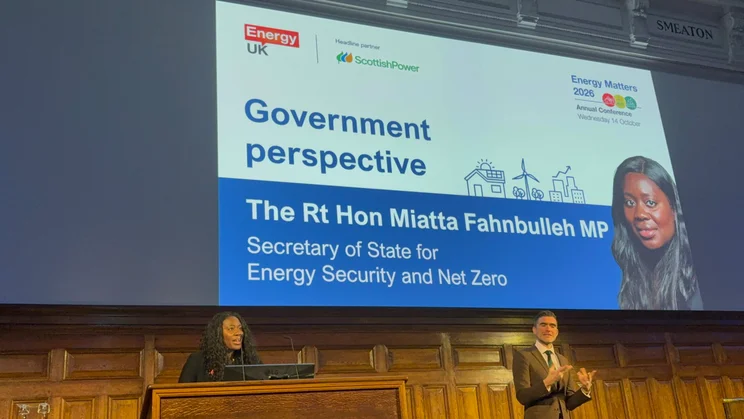
The issue of protecting households goes to the heart of another major talking point, that of the North Sea. The Eco Experts were out and about this week, specifically at Energy UK’s annual conference.
Why is drilling in the North Sea a waste of time? Find out here.
Miatta Fahnbulleh told the conference that a decision on whether to approve licenses in the Rosebank and Jackdaw North Sea sites were “imminent”.
Anyone who is a regular reader of The Eco Experts will know that we think drilling in the North Sea is a terrible idea. Why? Because it would do nothing to cut our energy bills.
There is a very real chance that the government may approve at least one of the sites. Prime Minister Andy Burnham has said on numerous occasions that his government would take “a pragmatic view” of the North Sea.
The problem is that there is very little in the ‘pragmatic’ column when we assess the value of drilling or not drilling in the North Sea. The UK basin is more than 90% depleted and the tax revenue it would generate (£4.5bn) would amount to little under 1% of annual government spending.
The concern is that giving the green light to more North Sea drilling would only be done for optics, to show that the government is doing something to bring down bills. What would really bring down bills would be going further on renewables, including plug-in solar and rooftop solar.
The Budget on the 27th October is probably the most important since the last election. Whatever the government does, it cannot stop the energy price cap from rising again in January, which it will no doubt do because we have no say over the price of the gas we use to generate electricity.
All ministers can do is help us get to a point where our energy bills are not set primarily by the decisions taken in The White House and the Kremlin. That means not making heat pumps less accessible for millions of households, not drilling in the North Sea, and instead getting as many solar panels on roofs, gardens and balconies as possible.
We’ll be giving you more pre-Budget coverage next week, so watch this space.


