We may receive a fee from trusted installers when you request a quote, or a commission when you buy through links on our site. This helps us keep our content independent, well-researched and up to date – Learn more
- Customers have cut their bills by a combined £1bn, according to the UK’s biggest energy firm
- Since 2017 the Octopus Tracker has helped more than a million people cut their bills
- Smart tariffs mean energy is cheaper during ‘off-peak’ hours
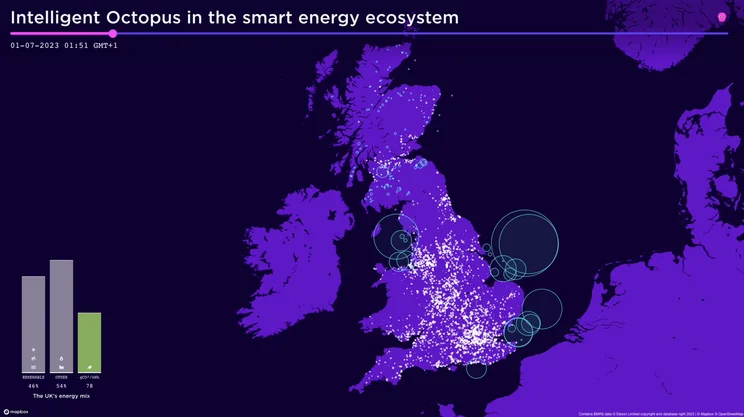
Octopus Energy customers on smart tariffs have shaved £1bn off their energy bills since 2017, with more than £200mn being saved in the last 12 months alone.
The energy provider, the biggest in the UK, said that its Octopus Tracker, which tracks the price of power has saved one million customers money by helping them use electricity at the “cheapest and greenest time”.
Octopus’ smart tariffs, such as Intelligent Octopus Go, Agile Octopus and Cosy Octopus reward customers for shifting their energy use to times when there is plenty of cheaper renewable energy available.
Greg Jackson, Founder and CEO at Octopus Energy, said that every time a customer shifts energy usage away from peak periods (usually 4pm-8pm) they make “energy cheaper and cleaner for everyone”.
“It’s no different from traveling off-peak: shifting demand unlocks cheaper deals and a more efficient system for everyone,” he said.
What are smart tariffs?
Smart tariffs, also known as ‘time-of-use’ tariffs, are pricing plans that vary depending on the time of day you use it. Energy is a lot more expensive during peak hours, when the grid is at its busiest. By contrast, it’s a lot cheaper during off-peak hours, which are usually between 10pm and 6am, often by 60%.
They’re one of the best tools customers have, along with solar panels and batteries, when trying to cut their energy bills. In order to use a smart tariff, you first need a smart meter.
Jackson said that Octopus has seen “booming demand for EVs, heat pumps, home batteries and smart tariffs”, as households embrace technology that can help cut bills, reduce reliance on fossil fuels and protect against global fossil fuel price shocks,” Jackson explained.