


We may receive a fee from trusted installers when you request a quote, or a commission when you buy through links on our site. This helps us keep our content independent, well-researched and up to date – Learn more
- A time-of-use tariff can be more than 50% cheaper than a regular tariff
- There are going to 55 games after 10pm at the World Cup
- A battery and a heat pump make time-of-use tariffs even more effective
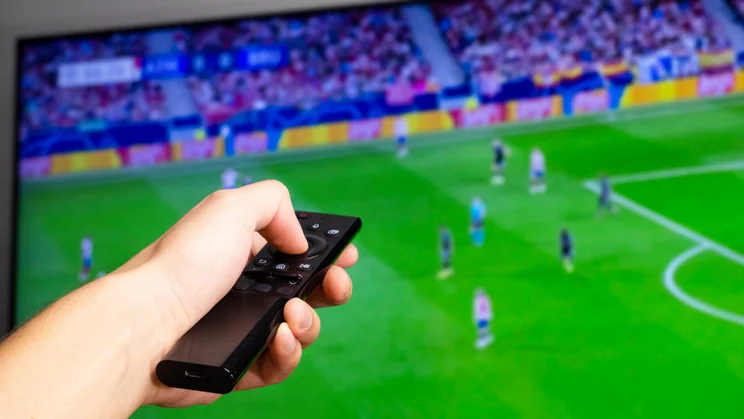
The 2026 World Cup offers the chance for millions of people in the UK to save money by watching football matches at night, mainly because 55 games are set to be played after 10pm British Summer Time (BST).
How? By using a time-of-use energy tariff that gives them cheaper energy during off-peak hours. While there are reports about energy surges during matches and concerns about how the grid might cope, there are ways to cut your costs.
This might seem strange, but it makes sense. Because of the time difference between the UK and the host countries, the US, Canada and Mexico, there are going to be 13 kick-off times, depending on where the match takes place.
These times stretch from 5pm and 5am, with most games starting at either 8pm or 2am.
Inconvenient for most, but a great chance to save money through one of the time-of-use tariffs on offer from the major energy companies, such as Octopus, EDF, or British Gas.
What is a time-of-use tariff?
A time-of-use tariff is an energy pricing offer where the cost of electricity depends on the time of day it is used instead of a regular flat rate where you pay the same regardless of the time.
In short, a time-of-use energy tariff lets you use electricity at times of the day when it is cheaper. When is electricity cheaper? During off-peak times, which are usually from 10pm until 8am, these depend on the provider and type of tariff.
To use a time-of-use tariff, you need a smart meter to track your energy usage to your supplier.
This could be really helpful if you’re planning to watch matches that will kick-off in the middle of the night.
For instance, Scotland’s opening match against Haiti on 14th June kicks off at 2am. Their two other group stage games, against Morocco on 19th June and Brazil on the 24th, both start at 11pm.
Using energy during off-peak hours could cost 8p per kilowatt hour (KwH), whereas doing so in peak time, usually between 4pm-7pm, could cost as much as 45p per KwH. That isn’t to say the cost savings from watching your TV would be as great, your TV isn’t a huge energy consumer (it’s about 5% of your overall consumption), but it will save you something.
However, if you do have your TV on at 2am, you’ll also be using other appliances, such as your lights, your phone charger (likely), and possibly your kitchen if you’re making food to have during the game.
Are all time-of-use tariffs the same?
No, not all time-of-use tariffs are the same. There are two types of time-of-use tariffs: static and smart. A static time-of-use tariff offers cheap energy at the same time every day for a seven-hour period, although some last for between 8 and 10 hours.
Smart time-of-use tariffs are different in that the price you pay will be different depending on real-time supply and demand, with the price sometimes, but not always, changing as often as every half an hour. They’re designed to reward flexibility and can help you save loads on your energy bills. If you want to use a smart time-of-use tariff, you will need a smart meter.
One thing that makes smart time-of-use tariffs even more effective is when you have a home storage battery, as this lets you store energy when prices are at their lowest and then use them during peak hours.
| Tariff | P/kWh |
|---|---|
| Intelligent Octopus Go | 7.5p |
| Octopus Go | 8.5p |
| Cosy Octopus | 13.5p |
| Octopus Agile | 5p-30p |
| British Gas Electric Driver (EV Power) | 7.9p |
| EDF GoElectric | 9p |
| E.ON Next Drive / Drive Smart | 9p |
| OVO Charge Anytime | 14p |
| ScottishPower EV Saver tariff | 9.5p |
Which World Cup games will be played at night?
Thursday 11 June
South Korea vs Czechia — 3am (Guadalajara)
Friday 12 June
USA vs Paraguay — 2am (Los Angeles)
Saturday 13 June
Brazil vs Morocco — 11pm (New York/New Jersey)
Haiti vs Scotland — 2am (Boston)
Australia vs Turkey — 5am (Vancouver)
Sunday 14 June
Ivory Coast vs Ecuador — 12am (Philadelphia)
Sweden vs Tunisia — 3am (Monterrey)
Monday 15 June
Saudi Arabia vs Uruguay — 11pm (Miami)
Iran vs New Zealand — 2am (Los Angeles)
Tuesday 16 June
Iraq vs Norway — 11pm (Boston)
Argentina vs Algeria — 2am (Kansas City)
Austria vs Jordan — 5am (San Francisco)
Wednesday 17 June
Ghana vs Panama — 12am (Toronto)
Uzbekistan vs Colombia — 3am (Mexico City)
Thursday 18 June
Canada vs Qatar — 11pm (Vancouver)
Mexico vs South Korea — 2am (Guadalajara)
Friday 19 June
Scotland vs Morocco — 11pm (Boston)
Brazil vs Haiti — 2am (Philadelphia)
Turkey vs Paraguay — 5am (San Francisco)
Saturday 20 June
Ecuador vs Curacao — 1am (Kansas City)
Tunisia vs Japan — 5am (Monterrey)
Sunday 21 June
Uruguay vs Cape Verde — 11pm (Miami)
New Zealand vs Egypt — 2am (Vancouver)
Monday 22 June
France vs Iraq — 10pm (Philadelphia)
Norway vs Senegal — 1am (New York/New Jersey)
Jordan vs Algeria — 4am (San Francisco)
Tuesday 23 June
Panama vs Croatia — 12am (Toronto)
Colombia vs DR Congo — 3am (Guadalajara)
Wednesday 24 June
Scotland vs Brazil — 11pm (Miami)
Morocco vs Haiti — 11pm (Atlanta)
Czechia vs Mexico — 2am (Mexico City)
South Africa vs South Korea — 2am (Monterrey)
Thursday 25 June
Japan vs Sweden — 12am (Dallas)
Tunisia vs Netherlands — 12am (Kansas City)
Turkey vs USA — 3am (Los Angeles)
Paraguay vs Australia — 3am (San Francisco)
Friday 26 June
Cape Verde vs Saudi Arabia — 1am (Houston)
Uruguay vs Spain — 1am (Guadalajara)
Egypt vs Iran — 4am (Seattle)
New Zealand vs Belgium — 4am (Vancouver)
Saturday 27 June
Panama vs England — 10pm (New York/New Jersey)
Knockout Stage Night Games
Round of 32
- Winner F vs Runner-up C — 2am, 30 June (Monterrey)
- Winner I vs best 3rd — 10pm, 30 June (New York/New Jersey)
- Winner A vs best 3rd — 2am, 1 July (Mexico City)
- Winner G vs best 3rd — 9pm, 1 July (Seattle)
- Winner D vs best 3rd — 1am, 2 July (San Francisco)
- Runner-up K vs Runner-up L — 12am, 3 July (Toronto)
- Winner B vs best 3rd — 4am, 3 July (Vancouver)
- Winner J vs Runner-up H — 11pm, 3 July (Miami)
- Winner K vs best 3rd — 2:30am, 4 July (Kansas City)
Round of 16
- Philadelphia match — 10pm, 4 July
- Mexico City match — 1am, 6 July
- Seattle match — 1am, 7 July
Quarter-Finals
- Kansas City match — 2am, 12 July
Third-Place Play-Off
Miami — 10pm, 18 July
Round of 32
Winner F vs Runner-up C — 2am, 30 June (Monterrey)
Winner I vs best 3rd — 10pm, 30 June (New York/New Jersey)
Winner A vs best 3rd — 2am, 1 July (Mexico City)
Winner G vs best 3rd — 9pm, 1 July (Seattle)
Winner D vs best 3rd — 1am, 2 July (San Francisco)
Runner-up K vs Runner-up L — 12am, 3 July (Toronto)
Winner B vs best 3rd — 4am, 3 July (Vancouver)
Winner J vs Runner-up H — 11pm, 3 July (Miami)
Winner K vs best 3rd — 2:30am, 4 July (Kansas City)
Round of 16
Philadelphia match — 10pm, 4 July
Mexico City match — 1am, 6 July
Seattle match — 1am, 7 July
Quarter-Finals
Kansas City match — 2am, 12 July
Third-Place Play-Off
Miami — 10pm, 18 July
All these matches are an opportunity to save money by switching to a time-of-use tariff because with each one you can cut your energy costs by more than half while watching.
One thing to remember though, time-of-use tariffs will work best when you have:
- heat pumps – because heat pumps let you preheat your home at those cheap hours. This will naturally work best when you have insulation.
- home battery – having a battery means that you can load up on cheap energy at night and then use it during the day, avoiding high costs altogether.


