


We may receive a fee from trusted installers when you request a quote, or a commission when you buy through links on our site. This helps us keep our content independent, well-researched and up to date – Learn more
- EV drivers can save 16.5p per mile compared to petrol cars
- Petrol has increased from £1,220 per year to £1,390 per year because of the Middle East conflict, but EV drivers are protected from oil spikes
- EV drivers will be further shielded from increased costs, as the Energy Price Cap will be in place until June
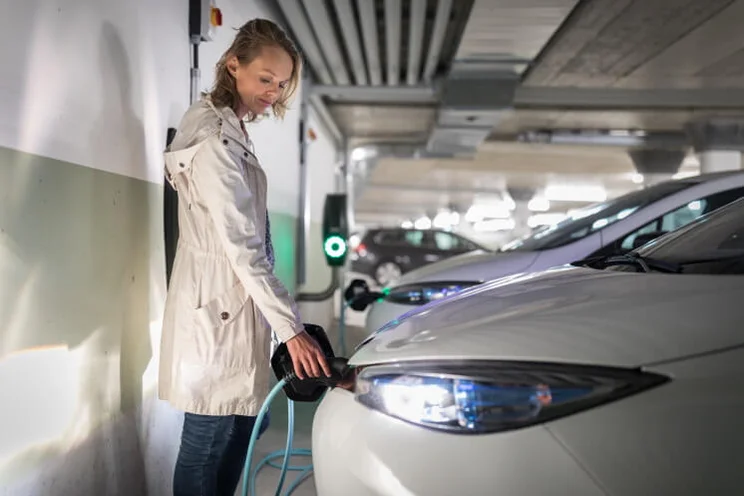
Electric vehicle (EV) drivers could find themselves saving an extra £200 per year compared to petrol cars, as the US-Iran conflict continues, new analysis from the Energy & Climate Intelligence Unit (ECIU) has found.
These additional savings are due to the US-Iran conflict that has seen the cost of petrol increase from £1,220 per year to £1,390 per year, as well as Octopus Energy’s recent announcement to reduce its EV charging tariff from 7p per kilowatt hour (kWh) to 5.5p per kWh for overnight charging.
Colin Walker, head of transport, ECIU, said these lower prices will allow EVs to be driven for less than 1.5p per mile, a saving of 16.5p versus driving a petrol car.
“Prior to the conflict, many EV drivers could save an average of £850 a year from charging an EV compared to fuelling a petrol car,” he said. “However, an increase in the price of petrol to £1.50, and a cut in the cost of charging to 5.5p per kWh could see savings for EV drivers using Octopus’ Intelligent Go tariff jump to £1,040 a year.”
EV drivers will be further shielded from increased costs by the current Energy Price Cap, which will be in place until June. Although it’s expected to rise this summer due to increasing gas prices, even with higher electricity prices, EVs will remain significantly cheaper to run than petrol cars for the foreseeable future, all while gas prices continue to increase.
Walker added that EV drivers signed onto Octopus’ Intelligent Go tariff would be protected from any such rises, since the 5.5p kWh rate is fixed for 12 months.
“With more than 1.8 million EVs on the UK’s roads, an increasing number of British drivers are now much more protected from these kinds of global oil price spikes. While petrol car drivers are facing a jump in their fuel bills, some EV drivers could actually see their charging costs come down, increasing the savings they were already making before the conflict started,” he said.
“Some industry voices are calling for the UK to slow its switch to EVs, but let’s be clear, EVs powered by British wind and solar farms help the UK cut its dependence on foreign oil imports, and protect its drivers from volatile markets over which we have no control. Oil is traded internationally, so trying to squeeze more out of the North Sea has little impact on the price paid at the pump.”
The ECIU said its current predictions could see oil prices hit $150 a barrel, which will see petrol prices rise to £1.90 a litre, bringing the cost to fuel for a petrol car each year to £1,760 per year. This would also result in EV drivers saving £1,410 compared to fuelling a petrol car.


