We may receive a fee from trusted installers when you request a quote, or a commission when you buy through links on our site. This helps us keep our content independent, well-researched and up to date – Learn more
- If in government, Reform would make our energy bills more expensive
- Drilling in the North Sea, scrapping incentives for investors, and pulling down pylons would be disastrous
- The Boiler Upgrade Scheme and the Warms Homes Plan could also be at risk
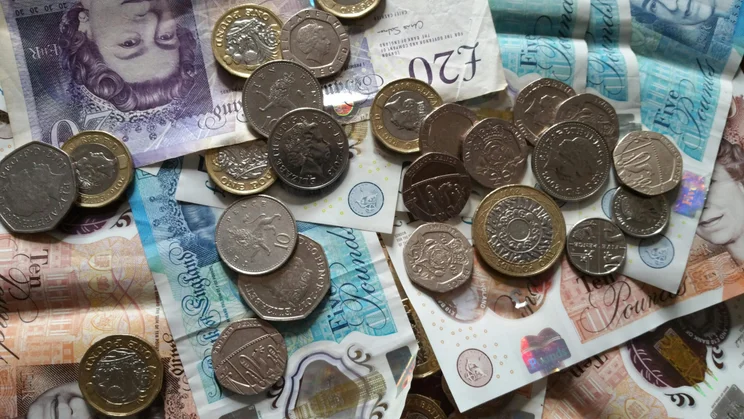
Clean-energy sceptics Reform will remove £150 in energy bill support from the most vulnerable households and set the UK on a spiral towards higher costs and more dependency on fossil fuel markets.
During the party’s annual conference, Richard Tice, its deputy leader and spokesperson for energy, promised to remove £250 from household bills.
How does Reform plan to do this? By removing £90 of carbon costs, £80 from policy costs, and all remaining VAT from gas.
This ‘saving’ also includes the Warm Homes Discount, a one-off £150 saving for the poorest households, designed to help them pay for their winter energy bills. Removing the Warm Homes Discount
The prospect of a Reform government is a big deal for billpayers. If Reform were to form the next government, it would likely drive up prices and do nothing to protect us from geo-political crises, such as the war in Ukraine and the fight between the US and Iran.
There are plenty of reasons to oppose Reform from a billpayer point of view. Here are a few.
They’d drill in the North Sea and waste a fortune

Reform wants drill in the North Sea to “extract every drop” of oil that’s still there. This is a terrible idea because there’s almost no oil or gas left in the North Sea to drill – as a matter of fact, more than 90% of it is gone. Even if they were to extract everything, it would only power the UK for a couple of years at most.
Another reason why this is an awful strategy for UK billpayers is that it keeps tied to the international oil and gas markets, which are decided by events far beyond our control. This has been proven by the US-Iran war, which saw gas prices jump massively and meant we’re likely going to see the Energy Price Cap jump by at least 10% when the new one comes into effect in July.
Reform would cancel clean energy projects

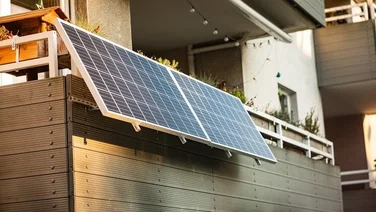
Richard Tice, Reform’s Deputy Leader and MP for Boston and Skegness, has promised to do whatever possible to stop solar and wind projects going live, including using Reform-controlled councils to block planning permission. These include the 3,163 acre Springwell Solar Farm in Lincolnshire, which was granted in April 2026.
The UK desperately needs more investment into its wind and solar sectors, and the current government has used Contracts for Difference to attract investment by guaranteeing wholesale prices for a set number of years. Reform sees these as ‘subsidies’, which is not entirely accurate as any money given to generators to top up the price has to be paid back.
CfDs are one of the best tools the government has to ensure clean energy generation and recently it has announced that it will offer more of them to bring in more money for solar and wind. To get rid of them would be devastating to the sector and drive investment away, as well as the benefits for billpayers.
The National Grid upgrades would go backward
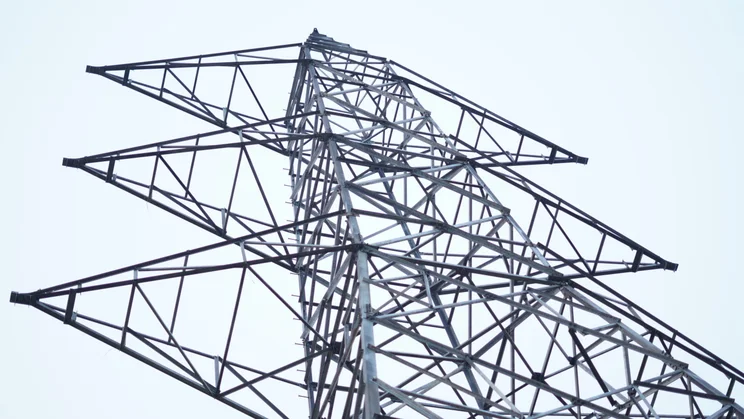
The National Grid is currently undergoing a £90bn upgrade and should be fully decarbonised by 2035. Reform UK would threaten that, first by attacking renewable projects meant to make us energy independent but also by pulling up any pylons that have been built in the past five years and replacing them with underground cables.
Their reasoning? To ‘protect the countryside’. Unfortunately this underground cabling is estimated to cost about £10bn, a price that will inevitably be passed onto the end user: the average billpayer.
They would scrap the Boiler Upgrade Scheme
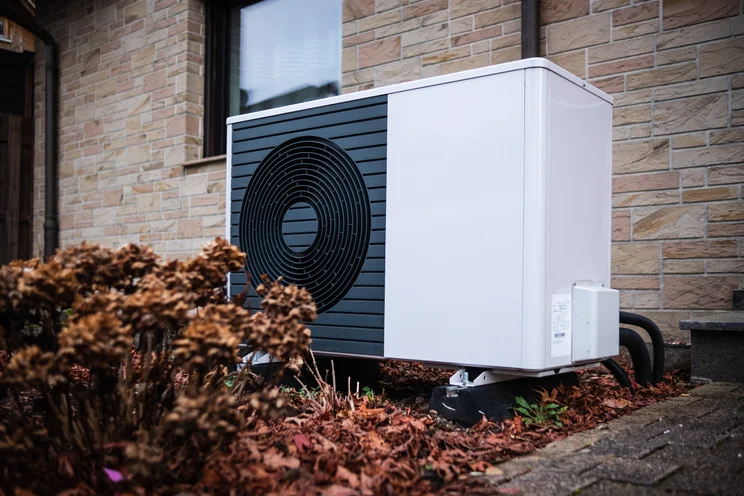
Reform announced in March this year that they would get rid of the Boiler Upgrade Scheme, a government grant designed to help people who can’t afford a heat pump to install one.
Right now households can get £7,500 towards the price of a heat pump, £9,000 if they’re on liquid petroleum gas (LPG), and this has been invaluable in helping around 80,000 households get away from gas.
Every single heat pump helps make the UK less reliant on gas and futureproofs a home from the huge jumps in the fossil fuel markets. Getting rid of the scheme would condemn poor households to long term dependency on volatile gas.
On top of that, it is very likely, we can speculate, that a Reform government would scrap the Warm Homes Plan, the £15bn idea to help households access solar panels and, hopefully, batteries through interest-free loans. We don’t yet know all the details, but when we do it’s likely to help millions of people get cheap, clean energy.
This would be disastrous as it would keep us all totally dependent on what goes in the Middle East for our energy and waste the huge boom in demand for solar technology.
Conclusion
The huge surge Reform have made in the council elections are a worry because they could threaten all the work the UK has made towards getting away from its decades-long dependency on fossil fuels.
A Reform government would:
- Scare off investment for clean energy projects
- Rip out pylons for no real benefit
- Waste fortunes drilling in the North Sea for a few drops of oil
- Perhaps worst of all, they’d scrap the Boiler Upgrade Scheme and likely the Warm Homes Plan
How much will Reform cost UK billpayers in the long term? Hopefully we’ll never have to find out.