


We may receive a fee from trusted installers when you request a quote, or a commission when you buy through links on our site. This helps us keep our content independent, well-researched and up to date – Learn more

Renewable energy is cheaper and cleaner than fossil fuels, and it protects you when there’s a big spike in the price of gas and oil, which is why so many people, governments, and businesses are choosing it.
This global demand has led to huge leaps in technology, with solar panels and heat pumps becoming more efficient every year.
However, there is still a lot to learn about renewable energy, which is why we’ve created this guide to cover everything you need to know. To take a more in depth look at the pros and cons of renewable energy, check out this guide.
What is renewable energy?
Renewable energy comes from natural sources that are replenished as fast they’re consumed. In other words, it’s made and before it’s used up, it’s made again, so that you never run out. The most well known sources of renewable energy are:
- Solar: Capturing sunlight and converting it into electricity or heat
- Wind: Harnessing kinetic energy from the air using turbines
- Hydroelectric: Generating electricity from the flow of water, typically via dams or river systems
- Geothermal: Utilizing heat stored deep within the Earth
- Biomass: Converting organic material such as grass into heat or electricity
The challenges of renewable energy
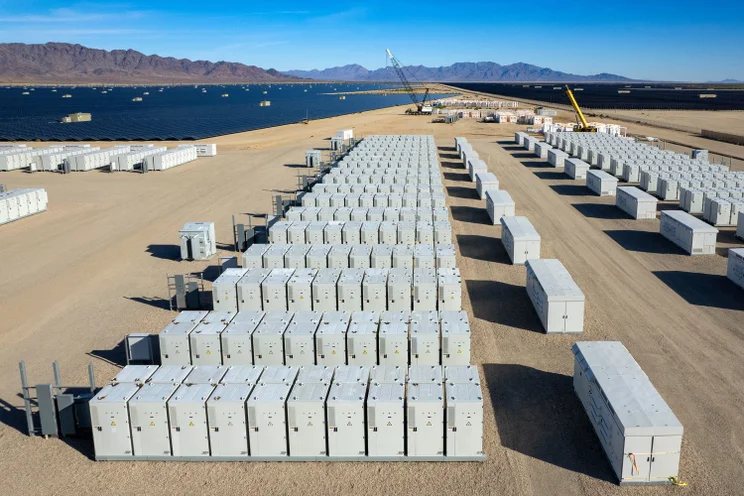
While the benefits are clear, the expansion of renewables requires solutions to specific challenges:
Intermittency: Solar panels and wind power are variable—they only produce power when the sun is shining or the wind is blowing. This is the primary hurdle for a fully renewable grid.
Storage Solutions: To overcome periods when energy can’t be generated, efficient and cost-effective storage is crucial. This includes large-scale battery systems, and potentially green hydrogen.
National grid modernisation: Existing electrical grids were designed for centralized fossil fuel plants. Integrating renewable energy sources requires massive investment in smart grid technologies and new infrastructure to move power from sunny or windy regions to urban areas.
Is renewable energy cheaper than fossil fuel?
Yes, renewable energy is undoubtedly cheaper than fossil fuels because it’s an independent source of power that doesn’t jump in price every time there is a geopolitical crisis.
For example, solar panels alone can cut energy bills by as much as 70% in the short term and help you make money in the long run through:
- the 10-year payback period, which means you have 15 years of free electricity as solar panels last for 25 years
- the Smart Export Guarantee, which lets you sell surplus energy back to the grid
On top of that renewable electricity tariffs are no longer dramatically more expensive than standard ones. Since the energy crisis and price cap changes, many green tariffs now sit within a similar price range to more traditional deals. Tariffs often depend more on market prices than the energy source itself.
Your bill will depend on location, usage, smart tariff participation, and a fixed vs variable tariff. Whether fixed vs variable tariffs are cheaper depends on energy market conditions; fixed tariffs can offer price stability and protection against rising costs, while variable tariffs can be cheaper if wholesale prices fall.
There can be exit fees for switching if you are on a fixed-term contract, but in most cases, switching to a renewable supplier, especially from a variable tariff, does not cost any exit fees.
You can switch energy suppliers as often as you like, provided you are not restricted by a fixed-term contract.
The Department for Energy Security and Net Zero suggests that solar output cost now averages £41 per megawatt hour (MWh) from new projects. For new gas power stations, the equivalent lifetime cost will be closer to £114 per MWh.
Is renewable energy really 100% green?
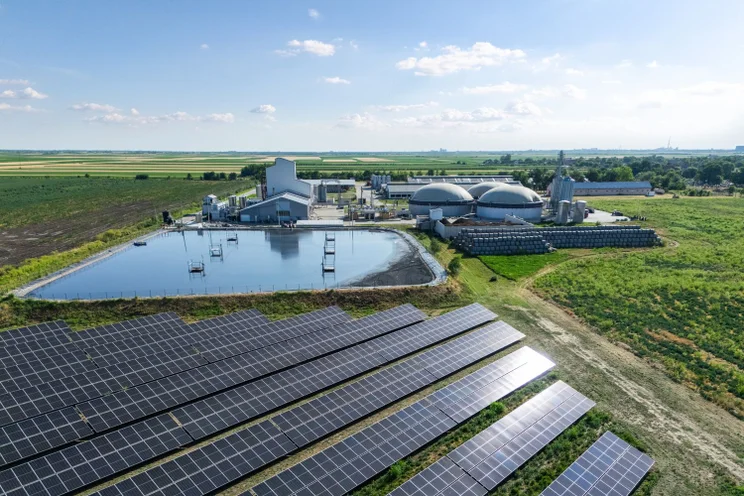
Yes, the generation of renewable energy is 100% green, but there is a carbon footprint in the building and transportation of the technology, such as solar panels and heat pumps.
For example:
- Solar panels and wind turbines require raw materials such as silicone, lithium, cobalt, rare earth metals, steel, and concrete.
- Mining and processing takes up a lot of land and water.
- Manufacturing the equipment also consumes energy, which may come from fossil fuels depending on the region.
- Similarly, large hydroelectric dams can disrupt ecosystems, alter river flows, and affect wildlife populations and local communities.
- Biomass energy, while renewable, can produce air pollution and may contribute to deforestation if not managed sustainably.
However, the important thing to remember is that whatever the amount of carbon emissions renewable energy produces, they’re still cleaner than fossil fuels.
Fossil fuels emit 37 billion tonnes of carbon every year. By contrast, the extraction of minerals for renewable energy technology emits just 1.5 billion tonnes a year.
On top of that, over their lifetime, solar panels and wind turbines typically offset the emissions produced during their manufacture within a few years of operation. After that, they generate electricity with minimal ongoing emissions. Compared to the continuous extraction, combustion, and pollution associated with fossil fuels, renewables dramatically reduce greenhouse gas emissions, air pollution, and climate change impacts.
Renewable energy is not 100% green when considering its entire life cycle, but it is far cleaner and more sustainable than conventional energy sources. The key difference lies in scale and duration of impact. Renewable technologies have upfront environmental costs, while fossil fuels create ongoing, cumulative harm. As technology improves, the environmental footprint of renewable energy continues to decrease.
Renewable energy vs low-carbon technology

The exact amount of CO₂ you can save by switching depends on your current energy source and usage, but switching energy suppliers can reduce your carbon footprint almost immediately.
Installing low-carbon technology such as solar panels can reduce energy bills in the long term, while providing energy independence from volatile fuel markets, and also offering potential export payments through the Smart Export Guarantee.
The most ideal solution would be to do both.
Is renewable energy reliable?
Yes, renewable energy is reliable in the UK because it comes from lots of different sources, including wind, solar, and nuclear. The tariffs change how your supplier sources energy, not how it reaches your home. That means regardless of where your energy is sourced from, it will still give you everything you need.
The UK grid balances supply using these sources, including solar panels, hydro electric power, wind farms, solar storage, and conventional power stations. It’s not less stable for consumers, as the National Grid continuously balances supply and demand to ensure a consistent and stable electricity supply.
Green suppliers are regulated by British energy regulator Ofgem, as all others are, meaning they must follow the same rules on pricing, transparency, and consumer protection. The Energy Price Cap is a limit set by Ofgem on the maximum unit rate and standing charge suppliers can charge on standard variable tariffs, and it does apply to green tariffs if they are structured as standard variable tariffs.
Suppliers are also supported by the UK government indirectly through renewable energy policies, incentives, and market mechanisms designed to encourage clean energy generation.
There are grants for switching to renewable energy in some cases, particularly for home improvements like heat pumps or solar panels, though grants typically support installations rather than switching electricity suppliers.
It’s a common misconception that clean energy generation stops on overcast days or when there isn’t much wind. On days when we don’t have wind power, high-voltage undersea cables connect neighbouring country electricity systems to share surplus power. Also it is often windiest during the winter, so wind turbines are producing more power when we’re using the most electricity.
How does renewable energy work with the National Grid?
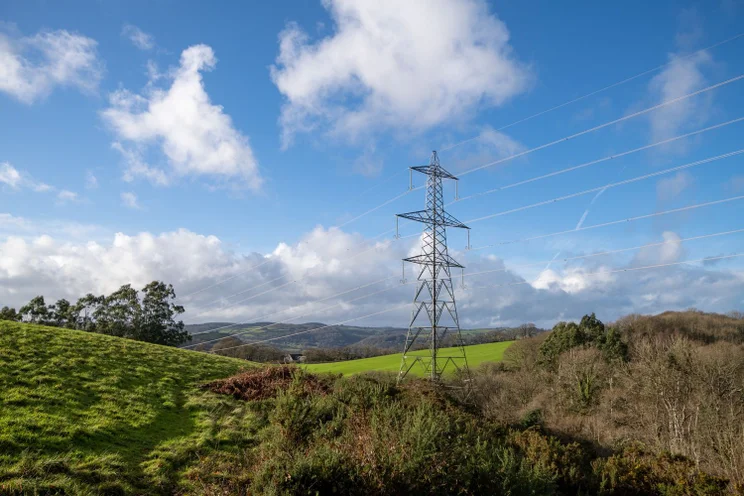
Renewable electricity works in the UK grid by feeding renewable power into the same national grid as all other electricity, with suppliers matching customer usage to renewable generation through accounting systems and certificates.
Renewable energy does not mean your home is powered directly by wind or solar, because all electricity comes through the national grid, but your supplier ensures the equivalent amount of renewable power is generated on your behalf.


