We may receive a fee from trusted installers when you request a quote, or a commission when you buy through links on our site. This helps us keep our content independent, well-researched and up to date – Learn more
- The UK’s biggest energy supplier teams up with CATL and Ampace
- The idea is to research and develop smart home battery technology
- Octopus to use collaboration to ramp up Virtual Power Plants
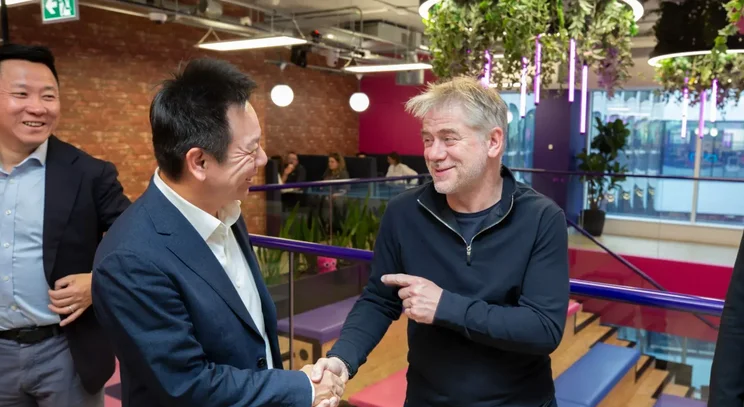
Octopus Energy has launched a project to explore the next-generation technology in home energy storage, teaming up with battery giants CATL and Xiamen Ampace Technology (Ampace).
The UK’s biggest energy provider says it’s signed an agreement, called a Memorandum of Understanding (MoU), to look into what it calls “next-generation smart home energy storage solutions that pair high-performance hardware directly with intelligent software”. In other words, it’s working with CATL and Ampace to better connect battery storage systems with AI.
According to Octopus Energy, CATL and Ampace have “unmatched prowess in battery chemistry and manufacturing”. The energy supplier will bring what it calls its “market-leading smart tariffs, and Virtual Power Plant flexibility capabilities” in the search for better battery technology and products for customers.
What is a Virtual Power Plant?
A Virtual Power Plant is network of decentralised, small-scale, domestic energy resources, including rooftop solar panels, batteries, EVs, and smart meters, that act as a single power station. The idea is that all these devices can send surplus energy to and from one another, protecting them from the types of price shocks that have caused bills to soar.
Why has Octopus Energy team up with CATL and Ampace?
Octopus Energy wants to transform storage batteries from simple wall hardware to “fully connected, intelligent energy assets” that help customers access cheapest power possible.
The company says it will use CATL and Ampace’s “pioneering research into next-generation battery chemistries”, which includes breakthroughs in sodium-ion technology, high-density cell designs, and ultra-long lifecycle systems. The goal is “to build safer, greener, and far more affordable home batteries”.
Paired with Octopus’s smart tech ecosystem, these systems will automatically charge up when energy is cleanest and cheapest, and share power back to the grid during peak times to slash household bills.
Sodium-ion batteries differ from lithium as the process around building them is a lot less carbon intensive because sodium is so much more abundant and easier to mine. Batteries made from sodium, not lithium, could become normal in the future.
Octopus Energy say that the project will at first focus on opportunities across European markets, where it has retail energy offices.
Greg Jackson, Founder and CEO, Octopus Energy Group said: “Combining CATL and Ampace’s world-leading battery chemistry with Octopus’s smart tech and customer platform will transform home energy storage.
“Together, we’re building next-generation batteries where hardware and software work in complete harmony to slash energy bills and speed up the green energy transition.”