


We may receive a fee from trusted installers when you request a quote, or a commission when you buy through links on our site. This helps us keep our content independent, well-researched and up to date – Learn more
- Ministers considering buying batteries in bulk and handing them out to low-income households
- Government remains committed to helping people access cheap energy despite Ed Miliband stepping down from (DESNZ)
- Annual savings to households could be in the hundreds
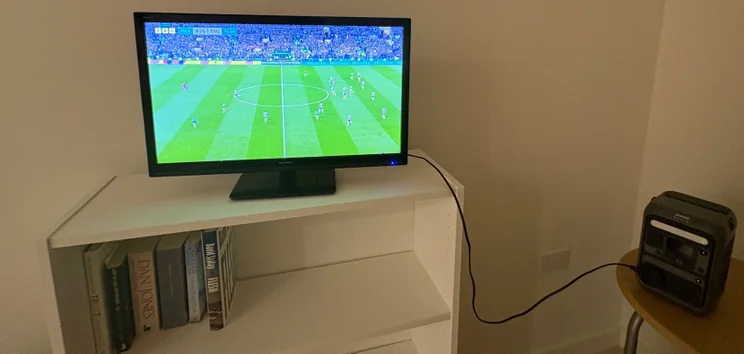
The government will give free plug-in batteries to low-income households to help them cut their energy bills and store power.
That’s according to reports in The i Paper, which says the Department for Energy Security and Net Zero (DESNZ) has a plan to see the government buy plug-in batteries in bulk and give them to those hit hardest by rising gas prices.
The paper says this is among a list of ideas made by the government and clean energy technology experts Nesta to help households cut costs.
Since the beginning of the US-Iran war and closing of the Strait of Hormuz in February, ministers have been searching for ways to protect billpayers, including changing the laws on plug-in solar panels.
A plug-in solar panel, which connects directly into the wall socket, can cut roughly £200 from yearly energy bills.
If you’re on a time-of-use tariff, a plug-in battery will work by drawing electricity from the grid (when plugged into the socket) when it’s cheap and sending it back through the same socket when its expensive.
Plug-in batteries retail for about £500 and are far cheaper than regular solar batteries.
The plans were made by former energy secretary, now foreign secretary, Ed Miliband. However, Whitehall maintains a “huge appetite” for technology that can help people access clean and cheap energy.
Whether or not to go ahead with the bulk buying and handing out of plug-in batteries will depend on talks with the Treasury, the Crown Commercial Agency (the government’s procurement division) and the new national energy firm GB Energy, with responsibility falling to Miliband’s successor Miatta Fahnbulleh.
We don’t know yet which households will be eligible for the free plug-in batteries, if they are approved, but it’s likely that those earning less than £36,000 a year and/or on state benefits and/or in a home with a low EPC rating will be prioritised, as is the case with some solar government grants, including the Warm Homes: Local Grant.


