


We may receive a fee from trusted installers when you request a quote, or a commission when you buy through links on our site. This helps us keep our content independent, well-researched and up to date – Learn more
- New project to use the Thames to generate heat for more than 650,000 homes
- The goal is to get households away from gas by generating cheap and clean energy
- Bradford, Solihull and Manchester will also see upgrades
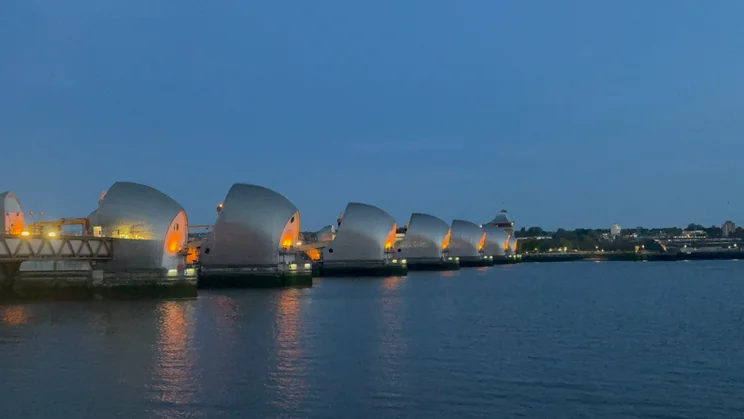
A mega-heat project underneath and next to the River Thames could supply 650,000 London homes with clean energy, according to the government.
Ministers say that the project will use electric barges 25 kilometres down the River Thames and through a specially constructed tunnel underneath the river to heat homes and businesses across the route.
The £41mn project will unlock £5bn of investment in London’s local heat networks and support up to 2,000 skilled jobs in tunnelling, engineering, and river transport, according to the government.
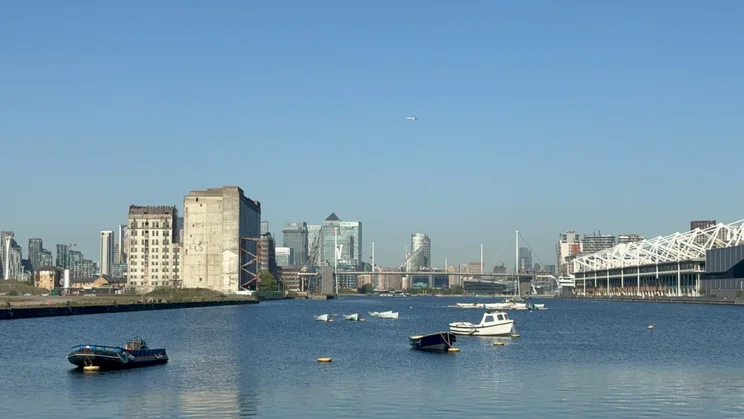
What’s the point of using the River Thames to create a heat network? Very simply, to make the capital less dependent on gas (the UK’s reliance on gas as a marginal generator of electricity is the single biggest driver of the price of electricity).
It’s the first project of its kind in the UK but follows other major cities, including Copenhagen, Amsterdam, Vienna, and Berlin.
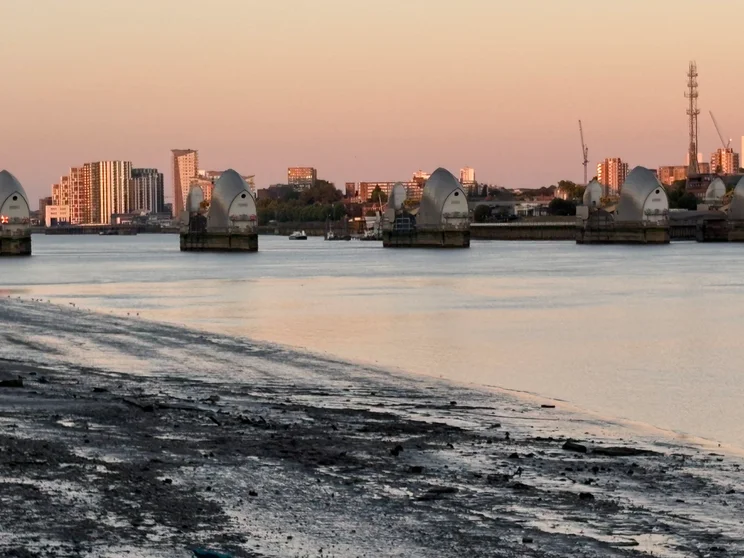
The River Thames heat project is part of a bigger £90mn investment across the UK to build networks, cut waste, and make more homes less reliant on gas.
Other cities seeing investment include:
- Bradford – 255 homes, a hospital, and seven schools and colleges will benefit from cleaner heating and lower bills thanks to an extension of the city’s preexisting heat network.
- Solihull – a project worth £3.9mn has been given to extend an existing heat network to serve council buildings, a leisure centre, a theatre, and a college.
- Bexley and Greenwich (London) – £11.5mn to help develop what could be the largest heat network in the UK, serving up to 100,000 homes when fully built.
- Marble Arch (London) – £11.4mn to develop a system serving offices, homes, hotels and business around Oxford Street using water-source heat pumps taking energy from the London Chalk Aquifer, creating 200 jobs.
As well as building new low-carbon heat networks, ministers have also committed £13.3mn to upgrade 76 inefficient heat networks across England and Wales.
Improvements will include replacing leaky pipes, insulating pipework to reduce heat loss and replacing interface units in homes – allowing residents to have better control of their heating so they can lower their bills. Projects include:
- Manchester – £1mn to improve the heating system for 130 residents living in Cornwall Court in Gorton and Cundiff Court in Levenshulme
- London – £5.5mn to upgrade the systems serving 1,143 residents at Prospect House in Bermondsey and the Packington Estate heat network in Islington
- Wales – £374,900 to improve the inefficient and outdated systems at Eschol Court in Newport and Victoria Court in Abergavenny, benefitting the 62 connected residents.
Minister for Local Energy and Jobs Martin McCluskey said that clean power and clean heat “benefits communities” and that building the infrastructure to deliver it will lower bills and improve energy security.


