


We may receive a fee from trusted installers when you request a quote, or a commission when you buy through links on our site. This helps us keep our content independent, well-researched and up to date – Learn more
- Energy bills are roughly 35% higher than pre the cost-of-living crisis
- Switching to a smart tariff can save your household 10%-30% on energy bills
- The Eco Experts are here to help you save money on your energy bills
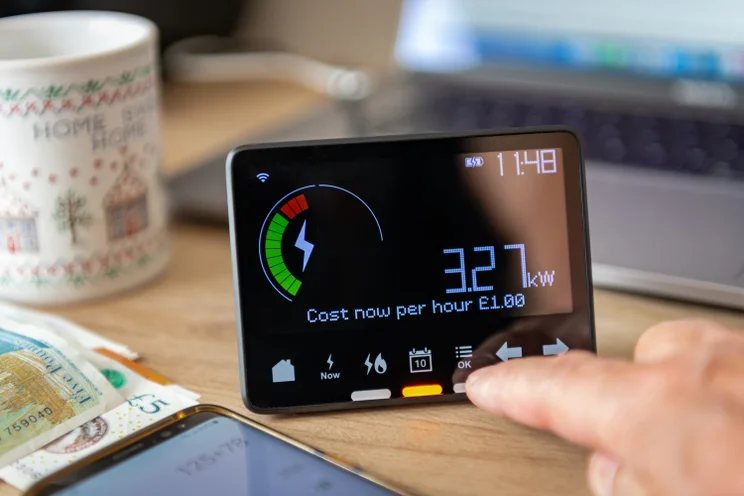
Bills are going up from 1 July after Ofgem announced that the energy price cap will rise by 13% from £1,641 to £1,862.
The cap, dictated by energy regulator Ofgem, is designed to protect British households from growing energy bills.
This might sound like doom and gloom, and we have to admit it’s not very good, but there are loads of ways you can make sure you’re not paying what the energy price cap says.
These include making use of smart tariffs, fixed tariffs, making your home more energy efficient, and using solar panel grants to get panels on your roof, which will make you less dependent on the grid.
Here are some of the ways you can beat the energy price cap and keep your bills down.
Insulation
How much can you save?: up to £550
One of the best and cheapest ways you can help beat the energy price cap is to have a well insulated house. that stops heat and air escaping.
According to the Energy & Climate Intelligence Unit (ECIU) a well-insulated home can make about a £550 difference to your energy bills. That’s about 33%, or a third of the current energy price cap. The average home in the UK is rated EPC band D, which will see bills roughly £200 higher than EPC band C.
A poorly-insulated home can lose around 25% of its heat through the roof alone. Add in draughty walls, single glazing and uninsulated floors, and many homes are effectively leaking money every winter.
Loft insulation remains one of the cheapest and fastest upgrades available, with many homeowners able to recover the installation cost within a few years through lower heating bills. Cavity wall insulation can also dramatically improve efficiency, especially in older houses across the UK.
Insulation matters because the less heat a property loses, the less energy is needed to maintain a comfortable temperature. That means lower gas and electricity consumption regardless of what the price cap is doing. It also means that your heat pump, if you have one, will work much better because your heating demand can fall by as much as 90%.
In our opinion, insulation is one of the most valuable and affordable steps into beating the price cap.
Use smart tariffs
How much can you save?: up to £360
People are also turning to smart tariffs to cut costs. Unlike traditional fixed or standard variable tariffs, smart tariffs reward consumers for shifting their electricity use to cheaper off-peak hours. With a smart meter installed, customers can run washing machines, dishwashers, or charge electric vehicles (EV) overnight when electricity prices are significantly lower.
Time-of-use tariffs are becoming increasingly popular as the National Grid infrastructure improves to be able to handle more renewable energy. When wind generation is high overnight, suppliers often pass those savings on to customers through lower rates.
If you’re willing to adapt your routines slightly, the savings can be substantial. Some agile tariffs even offer periods where electricity prices drop close to zero during times of excess renewable generation.
Examples of smart tariffs include:
- e.on Next offering cheaper electricity every day between 7pm-2am
- British Gas offering its PeakSave tariff to customers to make the most of half price electricity
- Octopus Energy offering tariffs to track the price of wholesale electricity, make the most of super cheap EV charging, and sell excess solar using smart export.
You can also make the most of the Smart Export Guarantee, where any excess electricity your solar panel system makes can be sold back to the grid.
Solar panels
How much can you save?: £290 – £700+ depending on property size
Solar panels are another great way to avoid high energy bills as they can reduce the cost by up to 64%. Also, as previously mentioned, any excess electricity generated by your solar system can be sold back to the grid.
A typical rooftop solar system can generate a large proportion of a household’s daytime electricity needs, reducing reliance on grid power and cushioning homeowners from future price rises. Homes with battery storage can go even further, storing cheap or self-generated electricity for use during expensive evening peak times, or to sell when it’s not needed.
Solar panels work best when combined with smart energy habits. Households that run appliances during daylight hours can maximise the amount of free electricity they use directly from their panels. We would also suggest making simpler and cheaper changes first, such as installing insulation before installing solar panels, in order to make them as efficient as possible.
Heat pumps
How much can you save?: up to £260
Heat pumps are a brilliant long-term solution to mitigating high energy prices, particularly as the UK pushes towards its net-zero goals. The government aims to install 600,000 heat pumps per year by 2028 and as a result, heat pump grants such as the Boiler Upgrade Scheme can take £7,500 off the cost.
This makes heat pumps a brilliant low-carbon technology to lower energy bills, especially considering their efficiency. Air source heat pumps use electricity to extract warmth from the outside air and can deliver four units of heat for every unit of electricity consumed. A gas boiler can only deliver one unit of heat for every unit consumed, making heat pumps four times more efficient.
Take a look at how the wholesale price of gas affects electricity bills.
Heat pump critics often point to installation expense or performance concerns in colder weather, but modern heat pumps are becoming increasingly efficient and are already widely used across northern Europe.
We’ve debunked the other heat pump myths so you can make the right decision for your home.
Double glazing
How much can you save?: up to £235
Similarly to insulation, double glazing can help increase the efficiency of your home by making sure it loses as little heat as possible during the winter. Also, during the summer, it can block excess heat, keeping your house cool without having to rely on fans or air conditioning.
This can save you money on your energy bills in the long run as it means your central heating, whether it’s provided by a heat pump or gas boiler, won’t have to produce as much heat.
Cutting down on energy usage
How much can you save?: up to £300
This might sound like a pretty small fix, but cutting down on energy consumption can work wonders in the long run. This can range from anything from making sure your TV is off rather than on standby, or turning off your oven five minutes before your food is done so it cooks with residual heat rather than extra energy. Those five minutes can count for a lot!
Other ways to cut down on your energy consumption:
- Unplug chargers and appliances when they’re not in use, as many still draw power even when switched off
- Wash clothes at a lower temperature whenever possible. Modern detergents work just as well at 30°C
- Only boil the amount of water you need in the kettle instead of filling it every time
- Make the most of natural daylight during the day rather than switching lights on unnecessarily
- Keep doors closed in winter to stop heat escaping from warm rooms
- Swap old light bulbs for energy-efficient LED bulbs, which use far less electricity and last much longer
- Let dishes air dry instead of putting them in the dishwasher
- Turn down your thermostat by just one degree. Even a small change can reduce energy usage noticeably over time
- Use lids on pans while cooking to help food heat faster and reduce cooking time
- Charge devices like phones and laptops during off-peak hours if your energy tariff offers cheaper rates at certain times
- Open curtains during sunny days to naturally warm your home instead of relying entirely on heating
- Take shorter showers to reduce both water and heating energy usage
- Dry clothes outside or on an indoor airer instead of using a tumble dryer whenever possible
- Keep your fridge and freezer stocked, as full appliances retain cold temperatures more efficiently
Can I beat the energy price cap?
Yes, you absolutely can if you follow all of these steps. By getting yourself onto a good, fixed tariff, insulating your home, installing solar panels (with a battery), installing double glazing, and cutting energy elsewhere, you can beat the energy price cap.
Summary
The shift is clear as more and more households in the UK are looking towards low-carbon technology and renewables to focus on reducing overall energy demand, in order to keep bill prices low.
In our opinion, it’s this approach that offers the most protection, not just from the current price cap, but from future energy price caps too.
For many consumers, the most effective strategy is combining several measures together. A well-insulated home with solar panels, a heat pump, and a flexible smart tariff can dramatically reduce exposure to rising wholesale prices.
While not every household can afford major upgrades immediately, even smaller changes — such as topping up loft insulation or switching to an off-peak tariff — can begin lowering bills straight away.
As energy costs continue to dominate household budgets, the homes that use less energy altogether are the ones beating the price cap.


