


We may receive a fee from trusted installers when you request a quote, or a commission when you buy through links on our site. This helps us keep our content independent, well-researched and up to date – Learn more
- The World Cup produced more than 4 million tonnes of carbon
- It would be the 143rd most polluting country on Earth
- The next World Cup could be worse
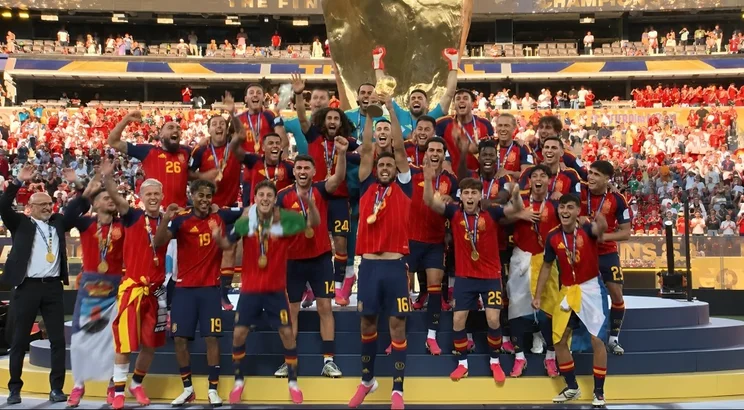
The 2026 World Cup is now over and the result is as expected: it was the most polluting tournament of all time, producing 4.23mn tonnes of carbon, roughly the same as Albania does in a year.
The final carbon emissions score comes courtesy of a report from the University of Cambridge, which blames the boom in carbon emissions on the number of teams taking part, 32 in 2022 to 48 this year. For a bit more context, carbon emissions increased by more than half a million tonnes from the previous World Cup in Qatar in 2022, which new had stadiums and air conditioning.
This is all despite there being solar-powered stadiums and pre-tournament promises to cut the caron output of the competition as much as possible.
The University said that 82% of those carbon emissions came from fans travelling across the US, Canada, and Mexico, with 3mn tonnes being emitting as a direct result of fans flying between cities.
I watched the World Cup for free using solar energy. Here’s how I did it.
That figure of 4.23mn puts the 2026 World Cup about on a par with the annual amount of carbon Albania produces a year, according to worldometers.info from 2024. When measured against the carbon emissions of different countries, the World Cup would be 143rd, ahead of Namibia (3.64mn tonnes), Iceland (3.29mn tonnes), and Liberia (867,112 tonnes).
The tournament was also ahead of everyone’s second-favourite World Cup team Cabo Verde, whose emissions are 676,218.
Will the next World Cup in 2030 be as bad for the planet? The tournament is set to be hosted across not three but six countries. Spain, Portugal, and Morocco are the main hosts, but some games will be played in Uruguay, Argentina, and Paraguay as part of the World Cup’s centenary celebrations.
We can only hope that lessons are learned and the next World Cup doesn’t cost the Earth.


