


We may receive a fee from trusted installers when you request a quote, or a commission when you buy through links on our site. This helps us keep our content independent, well-researched and up to date – Learn more
- Jackdaw, which will create just 27 jobs, has been approved by the government
- Rosebank, which is more than three-times the size is still up in the air
- The government must absolutely not touch the Boiler Upgrade Scheme in the Budget
Finally we now know the answer to one of the biggest questions in UK energy: yes, the government is going to allow more drilling in the North Sea, at least in part.
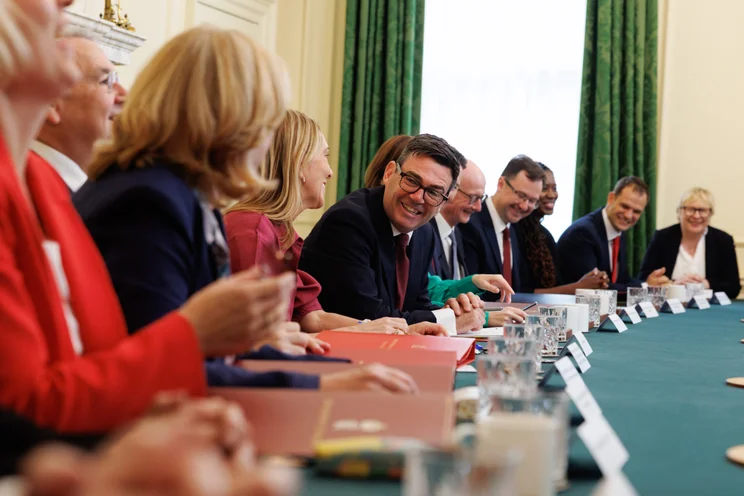
Earlier this week, Miatta Fahnbulleh the energy secretary, approved a drilling license for the Jackdaw site. This wasn’t a surprise as both she and PM Andy Burnham had been hinting for several weeks that at least one of the sites was going to be approved. As we write, Rosebank, which is about three times the size of Jackdaw and has both oil and gas, is still awaiting a decision.
If you’re a regular reader of The Cut, or The Eco Experts in general, you’ll know we’re massively against drilling in the North Sea. Why? Because our priority is billpayers and we don’t believe more oil and gas is what’s best for those struggling to pay for their energy.
We’ve gone into detail on a few of our other pages (here and here) but here’s a summary:
- The oil and gas from the North Sea is sold on the private market by the company who holds the license (in the case of the Jackdaw site, it’s Adura, a driller owned by Shell and Equinor). That means your energy provider has to buy it from them and passes on the cost to you as a billpayer. That’s why North Sea gas does nothing to bring down your bills
- The North Sea is 94% depleted and is quickly running out of gas and oil and anyway
- Most of the resources in the North Sea is oil, not gas. The overwhelming majority (80%) gets sold abroad as we can’t even process it in our refineries
- The tax income for the government is £4.5bn…that might sound like a lot but it’s actually less than 1% of annual government spending
- Drilling in the Jackdaw site will create just 27 direct jobs
- Drilling in the North Sea more generally risks the UK’s status as a green tech leader
The PM has also announced the creation of the ‘North Sea Energy Wealth Fund’ which will put the revenues made from the North Sea into the energy transition.
Will that mean more clean energy projects, such as wind or solar, or will it mean more support for households installing panels, batteries, and heat pumps? Right now, we don’t know, but any further support is a good idea, as long as it’s done properly and households really are given the capital they need to get clean technology.
Next week it’s the Budget. For households and billpayers, it’s a big one because we’re heading into winter and the January energy price cap is only going in one direction: up.
Despite the disappointing North Sea announcement, we’re still expecting (or perhaps hoping) for big things from Chancellor John Healey. The first thing is the Warm Homes Plan. We need details: who is going to receive what and when?
There are other things as well, including keeping 0% VAT on rooftop solar panels and removing it from plug ins. That would keep solar panel costs down and make it easier for households to access cheap solar energy.
But perhaps the most important thing of all includes the Boiler Upgrade Scheme. Don’t cut it. Not at all. Doing so would be a disaster for the government’s strategy to get households away from their gas dependency.
We reported last week how there were reports that the government was thinking of cutting back the Boiler Upgrade Scheme to make money available for defence. If drilling in the North Sea is a waste of time then cutting the Boiler Upgrade Scheme, at this time the only government for installing heat pumps, would be a calamity.
To make our point clear Octopus Energy, the biggest energy provider in the UK, has released what it calls the ‘Cosy Cooler’, a gadget that turns a heat pump into an air conditioner in the summer.
They’ve come up with this because demand for heat pumps is booming and with that so is the need for the Boiler Upgrade Scheme. That should be a reminder to the government to not cut back on funding for clean energy technology.
We believe the government has made a mistake by approving Jackdaw. However, they can make up for it by not cutting the Boiler Upgrade Scheme and getting the Warm Homes Plan up and running.


