We may receive a fee from trusted installers when you request a quote, or a commission when you buy through links on our site. This helps us keep our content independent, well-researched and up to date – Learn more
- Households will likely have to wait until 2028 before plug-in batteries are legal
- Fire safety concerns are the reason plug-in batteries are not allowed
- They are fully allowed in Germany and in some other parts of Europe
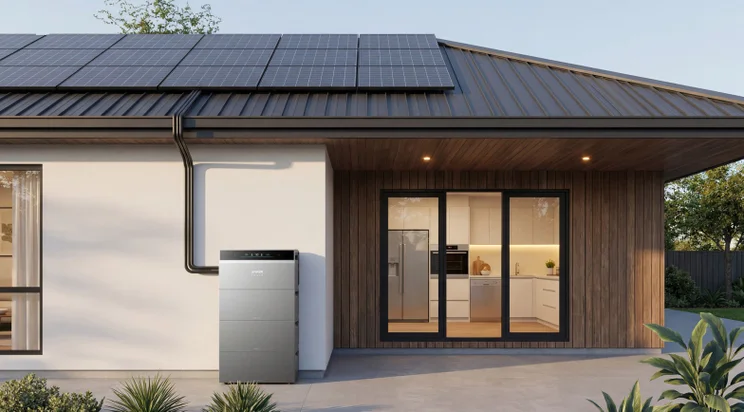
Households might have to wait until 2028 before plug-in batteries are legal, according to reports, with ministers refusing to give a timeline on when the technology might be available.
Following reports in The i Paper that ministers have started talking about how to make plug-in batteries legal, the Department of Energy Security and Net Zero (DESNZ) told The Eco Experts that they are “building the evidence” on plug-in batteries.
Going further, DESNZ said that plug‑in batteries “need their own decisions and approvals across the relevant connection and safety frameworks”.
According to The i Paper, we could have to wait another two years before households can plug batteries straight into their sockets and take full advantage of energy flexibility.
The paper said that DESNZ is currently looking at commissioning a safety study for plug-in solar panels.
The problem is that this means the study is unlikely to be complete for another two years due to the stringent safety requirements.
Where are plug-in batteries legal?
Plug-in batteries are mostly legal across the EU, but there are key technical differences and barriers.
Plug-in batteries are completely legal in Germany, the Netherlands, and Belgium. They are also legal in Austria and Luxembourg because these countries use the same technical plug-in standards as Germany.
They are technically legal in France and Spain, but using them is not as easy as it is elsewhere. In France, households can use standalone plug-in batteries as long as they are set to only power the house and cannot push energy back onto the grid. This means French households wouldn’t be able to benefit from selling surplus energy back to the grid, as households here are able to through the Smart Export Guarantee, when they use a plug-in battery.
In Spain, plug-in batteries are legal as long as they have a specific anti-islanding setup which shuts the battery down if there is a power grid failure. This is done to protect maintenance workers on the power grid and to stop any electricity being sent from the grid. This means a household in Spain with a plug-in battery would be left without power even if its battery was charged 100%.
Why are plug-in batteries illegal in the UK?
Plug-in batteries are illegal in the UK because the wiring and plug regulations here were made for appliances that don’t push power into a home circuit.
You can still use a battery, but it needs to be hardwired into your system for safety reasons, mainly due to the risks of overheating. Because plug-in batteries discharges power directly into your wall socket, it creates the possibility that the power might exceed safe levels.
UK household circuits rely on circuit breakers to prevent too much power flowing. Circuit breakers can’t see current coming from a plugged-in battery, meaning the total current in the wiring can exceed safe thresholds without tripping the breaker, creating a fire hazard.