We may receive a fee from trusted installers when you request a quote, or a commission when you buy through links on our site. This helps us keep our content independent, well-researched and up to date – Learn more
ECO4 was the final phase of the Energy Company Obligation scheme and was scrapped in March 2026

The ECO4 (Energy Company Obligation) scheme will expire on the 31st December 2026, when it will be replaced by the Warm Homes Plan.
Chancellor Rachel Reeves announced at the Autumn Budget in November 2025 that the scheme would be scrapped at the end of March 2026, but in January 2026 the government agreed to postpone its end date until the end of the year.
You can still apply for the ECO4 scheme, but there is very little funding left and only homes with very low energy performance certificates (EPC), usually F or G, will be prioritised. Suppliers have until 31 December 2026 to meet existing targets.
The ECO4 scheme was preceded by ECO, ECO2, and ECO3, since its launch in 2013.
It makes energy companies to install energy efficient technology, such as insulation, double glazing and solar panels, in fuel poor homes. The move to get rid of it was not a surprise, following allegations of fraud and misuse and revelations that it had not been cost-effective.
The new Warm Homes Plan is designed to make it easier for families to buy and install clean energy technology, such as solar panels, batteries, and heat pumps.
ECO scheme: a timeline
1 January 2013 – 31 March 2015: ECO scheme officially launched, with the purpose of cutting carbon emissions by making energy companies fund efficiency improvements, in particular insulation and heating. The original ECO scheme combined three separate carbon-saving schemes: The Home Heating Cost Reduction Obligation (HHCRO), the Carbon Saving Community Obligation (CSCO), and the Carbon Emissions Reduction Obligation (CERO). All large energy companies had to take part and they had a target of saving 12.4 metric tonnes of carbon. The original ECO scheme did hit its targets by the time it ended in 2015, with 18.33 metric tonnes of carbon being removed.
1 April 2015 – 31 March 2017: ECO2 launched with a much bigger emphasis on cutting costs for fuel-poor households because it made energy companies cut more on heating. It included the Affordable Warmth Obligation which focused on installing energy-saving technology in fuel poor homes.
1 April 2017 – 31 March 2022: ECO3 launched with even more focus on heating controls, underfloor insulation, and repairing or replacing broken boilers. The focus of ECO switched from carbon saving to being entirely about helping poor households save on heating.
1 April 2022 – 31 March 2026: ECO4 launched what was called a ‘whole-house’ approach to energy saving, and aimed for an overall improvement in the EPC rating of poor homes. It did this by focusing on heat pumps and insulation and only applied to homes with an EPC rating of D, E, F, or G.
31 March 2026: The ECO4 scheme was due to be scrapped. This was put back until December 31.
How was ECO4 different from ECO3?
Although there were a lot of similarities between phase three and four of the ECO scheme, the government changed the eligibility criteria for ECO4 while looking for ways to help low-income families who weren’t receiving benefits.
The ECO4 report stated that 46.1% of fuel-poor households were not in receipt of benefits. To support these low-income groups, the government vaguely stated that it would “expand and reform local authority flexibility, so that suppliers can deliver up to 50% of their obligation via that route.”
At the same time, the government removed some benefits that were available under ECO3 “to help better target households which are more likely to be on low incomes”.
Non-means-tested benefits that were previously available under ECO3 but weren’t offered on ECO4 included:
- Disability Living Allowance (DLA)
- Personal Independence Payment (PIP)
- Attendance Allowance
- Carer’s Allowance
- Severe Disablement Allowance
- Industrial Injuries Disablement Benefit
- War Pensions
- Mobility Supplement
- Constant Attendance Allowance
- Armed Forces Independence Payment
What did ECO4 cover?
Depending on which energy supplier you were with, you could get a range of different home improvements, including the following.
Insulating homes
The ECO4 scheme took a fabric-first approach, meaning it focused on improving the building itself before installing new heating systems.
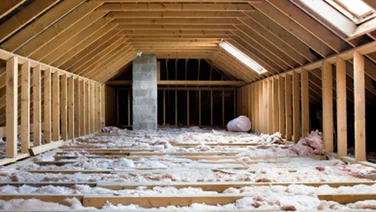
Any home with an efficiency rating of ‘D’ or below would have to install loft, roof, and exterior-facing cavity wall insulation before improving any existing heating systems.
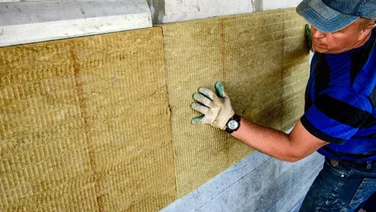
The government’s ECO4 report showed a specific interest in insulating solid walls – aiming to carry out 22,000 solid wall insulation instalments each year.
Repairing boilers
We’re all familiar with the phrase ‘waste not, want not’, right? Well, the saying also applies to our household appliances.
The government claimed that “to date, we have seen no boiler or electric storage heater repairs” through the scheme. Instead of repairing efficient gas boilers, people are replacing them after around three to eight years – far before the end of their expected lifetime of 12 years.
ECO4 aimed to incentivise repairing efficient heating systems where possible. Any broken heating systems that couldn’t be repaired could be replaced through the Broken Heating Cap.
Installing greener heating systems
ECO4 focused on replacing old, worn-out boilers with greener alternatives.
The ECO3 scheme excluded coal-fuelled heating systems. ECO4 continued this rule until it was scrapped, while also adding oil- and LPG-fuelled heating systems to the exclusion list.
The government encouraged people to replace their boilers with greener alternatives, namely heat pumps and biomass boilers, as well as installing solar photovoltaics (PV) in all electrically heated homes – but only if a biomass machine or District Heat Network had been ruled out.

Who is eligible for ECO4?
The government’s ECO4 scheme aimed to support the least energy-efficient homes in the country, with a focus on low-income and vulnerable households. You were eligible for the ECO4 scheme if your home had a low EPC rating (D to G) AND someone in your household receives at least one of the following benefits:
- Income-based Jobseekers Allowance (JSA)
- Income-related Employment & Support Allowance (ESA)
- Income Support (IS)
- Pension Credit Guarantee
- Credit Working Tax Credit (WTC)
- Child Tax Credits (CTC)
- Child benefit
- Universal Credit (UC)
- Housing Benefit
- Pension Credit Savings Credit
The government also made sure that anyone with additional Department of Work and Pension (DWP) benefits had access to ECO4, regardless of whether they received Universal Credit.
While the focus was primarily on owner-occupied homes, the grant also supported inefficient social housing and private rented housing.
How well known was the ECO4 scheme?
According to the 2024 National Home Energy Survey, just 6% of people in the UK were aware of the ECO4 scheme, and 27% were unaware of any grants at all.
Why is the ECO4 scheme going to be scrapped?
The ECO4 scheme will be scrapped because it has failed to deliver on its objectives, essentially to help low-income families bring their bills down through installing green technology.
It also saw allegations of fraud and misuse by installers in a damning report in October 2025.
It will be replaced by the government’s Warm Homes Plan.
What was ECO Flex and how did it differ from ECO4?
ECO Flex was a mechanism in the ECO4 scheme that allowed local authorities, the Scottish and Welsh governments, and energy suppliers to refer households for energy improvements funding, even if they didn’t meet the benefits criteria of ECO4.
The scheme was designed to open up grants to more low-income households, as many didn’t meet the threshold to receive benefits.