


We may receive a fee from trusted installers when you request a quote, or a commission when you buy through links on our site. This helps us keep our content independent, well-researched and up to date – Learn more
- A new energy price of £1,723 means bills are getting more expensive this winter
- However, the government is taking action to bring down bills long term
- Will GB Grid work? Let’s hope so
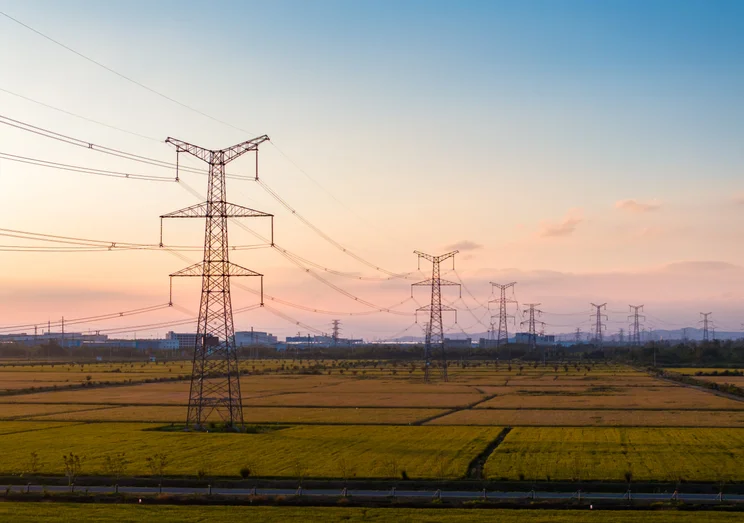
This is one of the few places on the internet that’s not going to wonder what punishment Man City might receive. That’s because there’s plenty to talk about in the clean energy world.
Two big things happened this week: the new energy price cap of £1,723 came into force on 1st October and Andy Burnham announced the launch of GB Grid, which the government says will help families and businesses across the country “benefit from faster grid connections, greater energy security and lower costs.”
Why has the government launched GB Grid? Because the UK badly needs to upgrade its energy storage capacity if household bills are to ever come down long term.
The idea is that GB Energy and GB Grid will be able to invest across the energy system, to get clean energy projects up and working so that more households are being powered cheaply. This is all part of the much bigger goal, which is to get the UK away from gas a marginal generator of electricity, which is the only way to bring down household bills in the long term.
What’s been the reaction to GB Grid? Largely positive, but some are waiting to see more detail before saying if it will definitely bring down household bills.
Dhara Vyas, Energy UK’s chief executive, described investing in, and expanding, the grid as “crucial” if the UK is to achieve lower costs and boost productivity.
“Energy security is national security, and modernising our energy system to ensure that every home and business can benefit from the energy transition is vital,” Vyas said.
“Businesses across the energy sector share the ambition to speed up the connections process and deliver essential upgrades in the most efficient and cost-effective way possible.
“We look forward to seeing more detail about how the GB Grid proposal could help with this ambition and tackle barriers around the supply chain, skills and planning. The plan for greater strategic coordination at a regional, as well as a national, level will also be crucial to achieving our aims.
EDF Energy said: “Grid connection delays are holding back energy projects that Britain needs.
“We need faster, more decisive action to get projects connected, so we welcome proposals that could help developers build and finance their connections.
“The test for Great British Grid will be whether it can make a practical difference to delivery. We look forward to seeing the detail.”
Windfall Energy commented: “Any effort to improve the grid is certainly welcome but we’ll have to see what the detail is.
“£4bn is a lot of money, but in this context it won’t go that far. It’s hard to imagine it having a direct impact on energy bills for households any time soon.
“Big investment in upgrading infrastructure is clearly needed. There are constraints and limitations that are putting pressure on the adoption of more renewable generation. Curtailment of wind power is the most obvious consequence that springs to mind.
“If Great British Grid can put the focus on long term system improvements that’s probably a good thing. Governments aren’t always the best at taking the long view and they should be commended here.
Will we one day be able to say that the energy price cap is lower because of GB Grid. We think one day, yes, but that will be because we’re using more solar and wind energy each year, getting away from fossil fuels and using our own clean energy.
We’ll be following all the latest developments as they happen.


