


We may receive a fee from trusted installers when you request a quote, or a commission when you buy through links on our site. This helps us keep our content independent, well-researched and up to date – Learn more
- Buying sustainable gifts
- Avoid fast fashion
- Recycle your wrapping paper
- Recycle your Christmas cards
- Extend your sustainable celebrations to Christmas dinner
- Decide what to do with your Christmas tree
- Make the most of your decorations
- The ultimate sustainable Christmas gift guide 2025
- Wheat Bag
- Bloom & Wild
- Russell Hobbs
- Bee Pot
- A plantable book
- Buying gifts – or food – with sustainability in mind can have a big impact on the planet
- Before buying new, look on Vinted, Depop, eBay, or even Facebook marketplace
- Food production is the biggest cause of tropical deforestation
- LED Christmas lights, for example, use up to 93% less energy than traditional lights
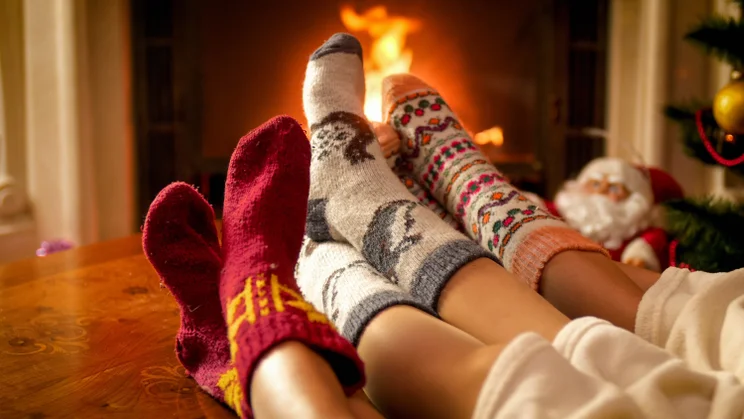
Christmas is less than a month away and many of you will be in the thick of decorating your home, deciding which foods to add to your shopping list or what gifts to buy your loved ones.
On top of that, it’s important to remember that Christmas is one of the most carbon-intensive times of year. In fact, there is evidence to believe that 6% of the UK’s yearly carbon emissions can be attributed to three days – Christmas Eve, Christmas Day and Boxing Day.
That makes it really important to think about what you’re buying and what you do with after Christmas is over. That includes the food you eat, the wrapping paper you use and the energy you consume; all of it has a big effect on the planet.
Solar panels can save you fortunes in energy bills over time. If you’re interested in learning more, read our government grants for solar panels page.
The challenge is buying something that fits your budget, stands the test of time and doesn’t end up in landfill. In fact, the UK estimates around £42m worth of presents are thrown away each year, which impacts the overall health of the planet.
But buying gifts with sustainability in mind can help reverse this, and ensure toys and gifts are used for a little while longer. It’s true what they say, another mans junk is another mans treasure.
If you’re stuck on where to top and what to look for to ensure it’s eco-friendly, we’ve got you covered. We analyse a range of gifts to consider buying for your loved ones, how they’re sustainable, as well as offer top tips to being more sustainable this Christmas.

Get free solar panel quotes
Answer a few quick questions, and our trusted installers will send you bespoke solar panel quotes – for free.
Buying sustainable gifts
Buying gifts – or food – with sustainability in mind can have a big impact on the planet, and there’s a couple of things to keep in mind:
- Buy secondhand – Presents are expensive. In fact, it’s anticipated that the average expected spend this Christmas, as of November 2025, is £378. You could reduce this by buying secondhand. Before buying new, look on Vinted, Depop, eBay, or even Facebook marketplace.
- Quality not quantity – As we’ve already established, a lot of gifts end up in landfill. WWF says that when buying gifts, think less, but better. They recommend putting time into picking a quality item that will both last and be loved to reduce the chances of it going to waste.
- Gift an experience – You know what they say, memories last a lifetime, so why not invest in an experience? Know someone who could do with a day to relax? Buy a spa day. Do you have a thrill seeker in the family, consider theme park tickets. If that’s out of your budget, there are lots of sites that offer
- Check where your gift comes from – Check the materials and ensure any plastic, wood or card is made from 100% recycled materials. Try and avoid single-used plastic items where possible.
- Make sure your wrapping paper is recyclable – It’s easy to assume that because it’s paper that it’s recyclable, but the ‘gloss’ used on some wrapping paper means this isn’t always the case. When purchasing your wrapping paper, look at the label to make sure it’s recyclable.
Avoid fast fashion
In December, it’s a time when we all bring out our festive attire, like jumpers.
“The main issue with jumper from an eco point of view is fast fashion,” Maximilian Schwerdtfeger, deputy editor for The Eco Experts revealed on BBC’s Sunday Morning Live on 30 November 2025.
“They are mass produced and are only warn once or twice, and about 90% of them are made almost entirely from plastic-based materials.”
While it’s a fabulous idea to help get yourself in the festive spirit, consider buying secondhand, especially as around £30m worth of Christmas jumpers end up in landfill every year.
“If people want to be eco-conscious, buy a jumper that isn’t novelty or has anything that is going to go out of date, i.e. something with ‘2025’ on it because it’s likely you’ll never wear it again,” Schwerdtfeger continued.
Recycle your wrapping paper
The UK uses about 227,000 miles of wrapping paper every Christmas, that’s enough to wrap the Shard 4,500 times. By using recycled wrapping paper, and then recycling the wrapping paper again, you can cut your carbon emissions by as much as 70%.
Recycle your Christmas cards
In the UK we send about 1 billion Christmas cards every year. That’s great, but the sad thing is roughly 75% of them end up on landfill, which is the equivalent of 33 million trees being cut down needlessly.
Similarly with wrapping paper, if you’re sending Christmas cards, use ones that are made from 100% recyclable material and make sure you recycle the ones your receive. Doing so can cut carbon emissions by 70%.
Extend your sustainable celebrations to Christmas dinner
Food production is the biggest cause of tropical deforestation, according to WWF, as trees are cleared to meet demand for crops, such as palm oil, that is used all over the world.
What’s more, during the festive season, an estimated 42 million plates of food are thrown away in the UK each year. Managing waste is the key to helping reduce this.
When it comes to piling your plate, consider adding less than you would normally, as you can always go back for seconds. If you’re full, keep the remainder as leftovers and at least one meal over however many days are taken care of.
Alternatively, challenge yourself this year and try plant-based recipes.
WWF also says to “know your food logos”. The charity said that if products contain palm oil, make sure it’s RSPO-certified, as this means it’s come from sustainably-managed palm farms. If you’re serving fish, look for the MSC-certified logo meaning the seafood was caught in a sustainable way.
For tea, coffee, and chocolate, look for Fairtrade certifications.
Decide what to do with your Christmas tree
When it comes to Christmas trees, it’s a challenging subject. If you buy an artificial tree, it has likely been made with plastic and the materials likely come from abroad. However, an artificial tree is designed to be kept for years, which is sustainable.
“An artificial tree has a higher initial carbon footprint than a traditional one, which will take around seven years to offset, so if you go for artificial, make sure to use it again and again,” Schwerdtfeger explained.
If you are buying a traditional tree, there are a few things to consider:
- Ask the farmer how they’re grown – Are they grown in a sustainable way? How are they kept alive?
- Make sure to recycle it when you’re done – It’s likely your local council offers tree recycling services, and if so it will usually be on a specific day. If not There are quite a few local companies who specialise in removing Christmas trees for a small fee, so it’s worth shopping around. Recycling your traditional tree can cut carbon emissions by 80%, just remember to take off your decorations and tinsel.
Make the most of your decorations
We all love it when the day comes to decorate our home. There’s something about the event that gets you excited and makes you feel warm inside, right?
We’re not trying to take that away. In fact, we recommend upgrading your decorations where possible – or be aware of what can and can’t be recycled.
LED Christmas lights, for example, use up to 93% less energy than traditional lights.
Tinsel, on the other hand, can’t be recycled so it will end up in landfill. In fact, it creates about 2kg of carbon emissions when it’s manufactured and transported, which you can save annually by simply reusing it. The same with garland.

Get free double glazing quotes
Answer a few quick questions, and our trusted installers will send you bespoke double glazing quotes – for free.
The ultimate sustainable Christmas gift guide 2025
We know how stressful it is finding the perfect gift and when you throw sustainability into the mix, it can get worse. So we thought we’d help out by highlighting our top picks:
Wheat Bag
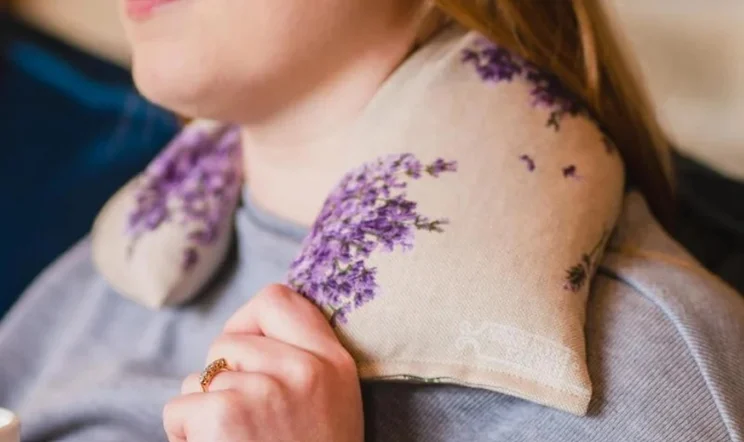
If you know someone who would benefit from a microwaveable heater, look no further than The Wheat Bag Company.
Its microwaveable wheat bags and lavender wheat bags are ideal for soothing aching muscles and neck pain, and each is handmade is England.
According to the company, each wheat bag is filled with 100% cleaned English Wheat and you can choose whether to add optional lavender buds.
This particular wheat bag can be put in the freezer as well to help reduce high temperatures, swelling or relieve migraine headaches.
Bloom & Wild

Bloom & Wild is an online florist based in the UK. Its ethos is about celebrating the little things we all do for each other every day, and not just on the big occasions.
Sustainability and keeping its environmental impact to a minimum is at the heart of what it does. It is committed to:
- Reducing, offsetting and removing its carbon impact, in line with net zero targets
- Investing in improving the lives of its people and communities
- Lessening waste with a short supply chain, fully recyclable or compostable packaging and detailed forecasting
- Partnering with trusted, responsible growers, suppliers, and brands
The company has been offsetting all its carbon emissions from its bouquets since 2020 and become officially certified as carbon neutral through Climate Neutral Group in 2022.
This year, some of its products include The Jingle Bell Tree (£37), The Fairtrade Aubrey (£34) and The Midnight Snowflake Tree (£28).
All of the brand’s packaging is fully recyclable and can be reused. In fact, it recommends “reusing the brown kraft paper and ribbon our flowers come in to wrap up your pressies.”
After Christmas, you can compost or dry the rest.
As well as that, all of its trees are grown on a sustainable family-run farm in the Dutch countryside, and can be replanted after Christmas. The company is also able to track the life and carbon cycle of its flowers.
Russell Hobbs

With energy prices where they are, you might be looking for small ways to reduce your energy usage, while continuing to use your regular appliances.
The Russell Hobbs handheld steamer can help. According to the supplier and based on a comparison to the average energy use of average EU washers and dryers, a steamer uses 60% less energy for clean, fresh looking garments, compared to machine washing and drying.
Additionally, replacing every other wash with steaming can help save up to 80l of water each year.
Russell Hobbs’ range of handheld steamers can be a strong gift for those moving into a new place or simply need to replace an old steamer.
Bee Pot
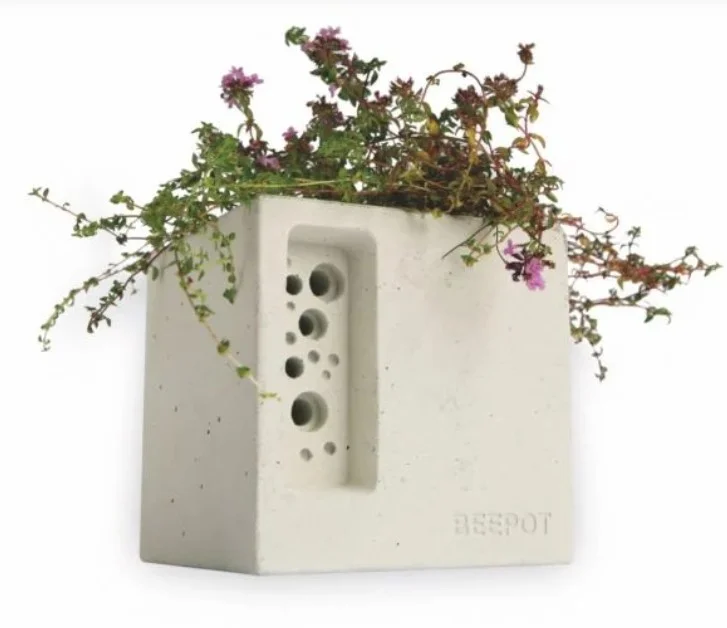
Ninety per-cent of bee species in the UK are solitary bees. They don’t produce honey, live in hives or have a queen, but they are really important to the pollination cycle. Therefore, we recommend a bee pot for any garden lover.
According to Wildcare, by putting the Beepot mini in your garden, allotment or urban space, you are helping to create habitat for these bees so they can continue to vital pollination work they do.
The Beepot mini is quite compact, so perfect if the recipient has a small garden, and it’s entirely concrete. It’s also a bee house, so solitary bees can stay as long as they like!
Prices start from £32.76.
A plantable book
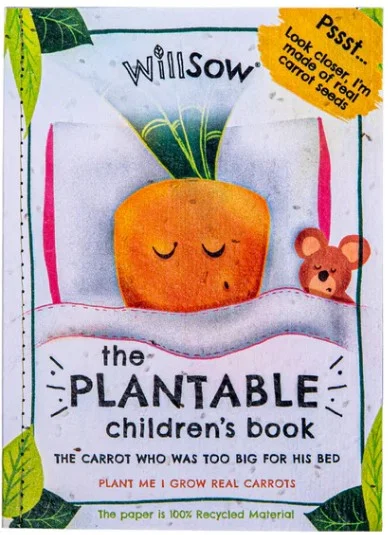
The Carrot Who Was Too Big for his Bed is a plantable children’s book, so it’s two activities in one. Not only is it educational and can help your child develop their reading skills, you can then use it for a garden activity to grow carrots.
The book follows a carrot who becomes too big for his bed and his friends have to help pull him from the ground.
Each book, according to Unicef, has approximately 500 non-GMO carrot seeds embedded within its recycled paper so all you need to do is plant and grow.
The book can be purchased from Unicef for £9.99.
Get free solar panel quotes
Answer a few quick questions, and our trusted installers will send you bespoke solar panel quotes – for free.


