We may receive a fee from trusted installers when you request a quote, or a commission when you buy through links on our site. This helps us keep our content independent, well-researched and up to date – Learn more
- Chinese EV giant has opened its first flash-charging station in Uxbridge
- It is hoping to install 600 across the UK
- The stations will be powered by on-site batteries, so there should be no pressure on the grid
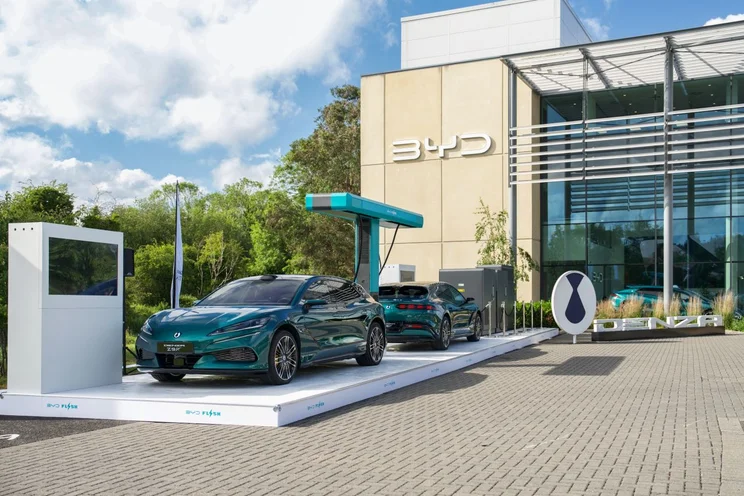
Electric vehicle drivers in the UK and EU could soon be able to charge up their cars in just five minutes after Chinese company BYD opened its first ‘flash-charging’ station in the UK.
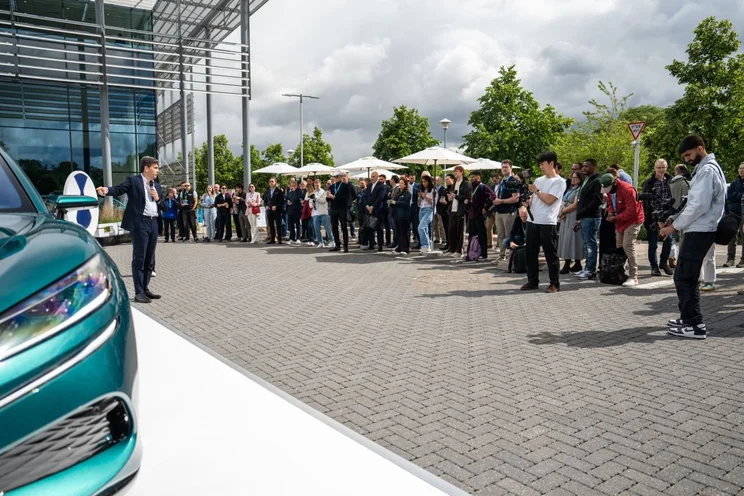
At the opening of the flash-charging station at its HQ in Uxbridge, BYD said it plans to spend about £1.7bn on making it easier and quicker for EV owners in the UK and EU to power up their cars.
By 2027, BYD will install 600 flash-charging stations in the UK and 3,000 in total across Europe. This is on top of the 20,000 they plan to install in China.
Each station will cost about £500,000 to build. The long term plan is for BYD to take market share from other EV giants, in particular Elon Musk’s Tesla. To achieve that, the company needs to “build a very strong infrastructure network”, according to Stella Li, one of BYD’s executives.
At the moment, the EVs will need to have the latest BYD batteries to be able to fully charge in five minutes. Right now, BYD’s latest Z9GT model can be charged up to 70% in five minutes and 100% in 12.
The first set of BYD EVs to have the full flash-capability will be its premium Denza models, which sell for about £100,000. The company is aiming to make its lower-range models flash-charge ready over the next few years.
Will BYD’s flash-charging stations put too much pressure on the grid?
It’s a fair question considering the pressures the grid is already under, but BYD insists the answer is no as the the flash chargers will take their power from on-site batteries. These will be charged up overnight during low-use periods at minimal cost.
This is a good thing as it should mean as few costs are passed onto end-users. It should also make EVs more accessible for more consumers and help overcome some big obstacles to roll out.