We may receive a fee from trusted installers when you request a quote, or a commission when you buy through links on our site. This helps us keep our content independent, well-researched and up to date – Learn more
- Next week sees the release of the energy price cap and plug-in solar panels
- Bills are likely to get more expensive in the final three months of the year
- Wholesale gas is continuing to hurt households

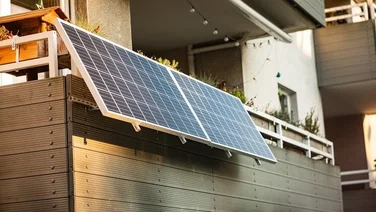
Next week is a big one for your energy bills. On Thursday the 27th August plug-in solar panels will be fully available to buy, possibly from supermarkets.
If you’re a regular reader of The Cut, or The Eco Experts in general, you’ll know how excited we are about this. This one legal change makes solar available to millions of people who might not be able to install a solar PV system on their roof.
There are loads of reasons why a household might not be able to install roof-top solar. They might not be able to afford the upfront cost at the same time as not qualifying for a government grant.
Another reason is they might live in a flat and not have permission to install one on the roof of their building.
Whatever the reason, plug-in solar can make a huge difference because it means households don’t need a complicated installation to get the benefits of cheap and clean energy.
The other big thing happening next week is the announcement of the October – December energy price cap. Ofgem will tell us on the 26th August (yes, one day before plug-in solar panels become available) how much our bills could leap by.
Will it be good news? Almost certainly not. In fact, prices could jump by 4% to their highest point in three years if you believe Cornwall Insight. Between 1st October and 31st December the energy price cap could be £1,729, up from its current level (under the new July 2026 household consumption forecasts) of £1,663.
Under the old household consumption forecast, the energy price cap is £1,862 and will rise to £1,940.
Another increase to the price cap will once again bring focus on how vulnerable we are to the wholesale price of oil and gas and the wars in Ukraine and the Strait of Hormuz. It also shows how important it is the government and industry help households to mitigate the energy price cap increase.
That includes making plug-in solar, which can slash hundreds of pounds off a household energy bill, affordable and accessible to all.
Ferrari Luce sells for £29mn
The legendary carmaker’s first foray into electrification has been controversial, but the production model of its Luce EV sold for a record amount at Soethby’s in California.
Solar saves the day as nuclear can’t stand the heat
Solar energy has helped keep countries in Europe going amid the heatwave, stepping in when nuclear power plants have had to be shut down for safety reasons. That’s according to a report from Ember.
Octopus Energy pays nearly £100mn to customers for spare solar
Octopus has paid out nearly £100 million to households over the past year for the solar power they have exported to the grid at an average of £244 per home. What more proof do you need to get solar panels?
Zopa and Hive team up to help households get solar and heat pumps
The partnership combines Hive’s expertise in smart home and greener energy solutions with Zopa’s digital lending capabilities to bring a new financing option for up to 20 million UK homes looking to install solar panels and batteries.