We may receive a fee from trusted installers when you request a quote, or a commission when you buy through links on our site. This helps us keep our content independent, well-researched and up to date – Learn more
- The Warm Homes Plan hasn’t addressed the Spark Gap between gas and electricity prices
- Politicians shouldn’t think they’ve done everything they need to
- Further action on the price of electricity, is the ‘only thing that’s missing’, says Bean Beanland
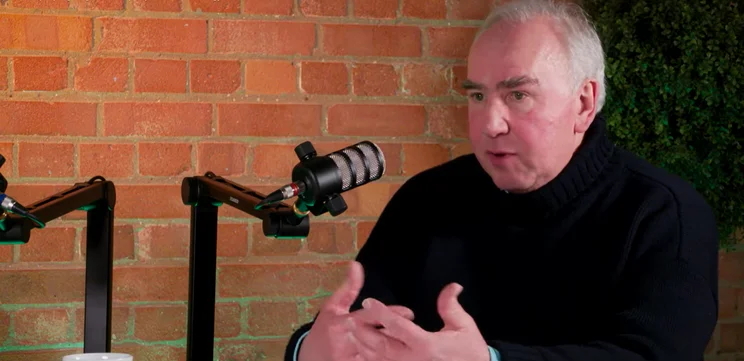
The government needs to to do more about the price of electricity and take action to bring the Spark Gap down if the Warm Homes Plan is going to work, according to heat pump and domestic heating expert Bean Beanland.
While the Warm Homes Plan has been widely welcomed, the price of electricity is still around four times more expensive than gas, and this has the danger to mean the loans, grants, and other initiatives the government is offering to bring down energy bills might not be as effective as they could be.
Speaking to The Eco Experts, Beanland explained that even though reaction has been “largely positive”, there is still work to be done to make sure heat pumps have the best chance of brining down energy bills.
What is the Warm Homes Plan?
The Warm Homes Plan is a £15bn initiative from the government to cut carbon in domestic heating and bring down energy bills through clean technology. It moves away from insulation as the main carbon-cutting tool and places the focus very much on solar panels, batteries and heat pumps.
It includes commitments from the government to help homeowners install clean energy technology, in particular solar panels, batteries, and heat pumps. It also committed support for some existing initiatives, such as the Boiler Upgrade Scheme.
As part of the plan, everyone in the UK is entitled to government-backed zero and low-interest loans for solar panels, batteries and pumps. Low-income households will receive free of charge packages of clean energy upgrades, depending on what technology is most suitable for their home.
By honing in on those those three bits of technology, it is possible that the operational costs are going to be a lot less than they would be with gas, especially when combined with a flexible tariff.
According to Beanland, if the loans are either interest free or have very good rates then “putting those three technologies together will stack up”.
“I think it’s what is not in it that’s the problem; the only thing that’s missing is further action on the price of electricity,” he said.
The costs of electricity is the most important thing because without cheaper electricity, it will continue to be a “leap of faith” of sorts with installing a heat pump.
This is will be the case even with the huge help with the upfront costs and flexible tariffs, because consumers are still vulnerable to the international wholesale gas market.
Grants like the Boiler Upgrade Scheme are a great help when it comes to the upfront cost of a heat pump, but does little to overcome the challenge of the lifetime expense and running costs if electricity prices continue to be tied to the price of gas. For there to be a real improvement on that, the Spark Gap should come down from four times the price of gas to about 2.5.
According to Beanland, there is a danger that politicians, having unveiled the Warm Homes Plan, will say they’ve done the job when they haven’t until there is a “permanent reduction in the price of electricity relative to the price of gas”.
What should the government do next?
The government did start to take some action on the Spark Gap in the Autumn Budget by removing some levies on the price of electricity, which it claims will save £150 per household per year.
But it needs to go further, and Beanland says it would be perfectly possible for politicians to transfer all levies from electricity to gas “over ten years”. This would result in little price difference for most dual-fuel payers but massively benefit households in fuel poverty.