Solar PV Panels

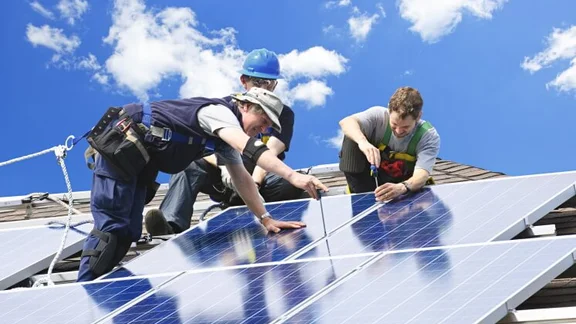
Solar PV (photovoltaic) panels have entered the domestic market in recent years. Whilst many of us may claim to know what solar panels are, few may know the exact details of the technology. Here we will look more closely at the panels including how they work and their various benefits and disadvantages.

Solar energy is the heat and light energy contained within the sun's rays. Alongside other energy classifications such as wind and tidal, solar is a renewable, sustainable energy source.

Environmental and Economical Advantages to Using Solar Energy

Fossil fuels are primarily used to supply domestic and commercial energy, and are becoming increasingly expensive due to the depleting stocks. Fossil fuels cause significant damage to the natural world releasing carbon when burnt, these non-renewable sources are a threat to the world's habitat.

How Does Solar PV Work?

Solar PV panels transform energy found in daylight, known as photons, into electricity. Solar panels are usually made up of a conductor material which in most cases is silicon. When the photons from the light hit the silicon a reaction occurs which creates an electric current. This current is then multiplied across the cells which form part of the panel.

This flow of electrical current can then be used in electricity across the home. Contrary to popular belief, solar panels do not need direct sunlight to work as photons are found in normal daylight. However, they are most effective in direct sunlight as there is a higher concentration of photons in this type of light. Presently, solar PV panels are not able to store any unused electricity to be used at a later date.

The Three Main Types of Solar PV Panel

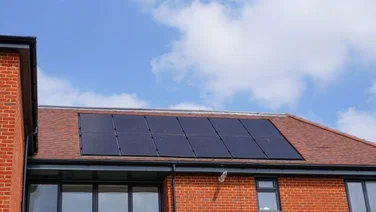
Monocrystalline Solar PV Panels: are the most effective solar panels available today with efficiency levels of between 15-24%. They are also the most expensive as they are costly to produce.

Polycrystalline (also called Multicrystalline) Solar PV panels are the most cost-effective. They are a little less efficient than monocrystalline panels but much better than amorphous types with an efficiency of between 13-18%.

Amorphous or Thin Film panels are the cheapest and least efficient of the systems, converting a maximum of around 8% of sunlight to electricity. However, they work well in overcast conditions and some can even generate small amounts of power on brightly moonlit nights.

Their thinness and flexibility do make them more suitable for some applications. Inconsistent characteristics brought about but the varied chemistry used in their production makes their performance difficult to judge.

Efficiency Considerations

The true efficiency of solar PV panels can only be judged accurately when the installation location and site specifications are known. Things like which way the roof is facing, the area available, whether or not the panels will be overshadowed with neighbouring buildings or large trees.

The electricity needs of the household and how much sunlight per annum can be expected in that location are some of the main factors to take into consideration. Once it is known what is required from the panels and what can be expected of the location it's easier to make decisions about the type of installation required

The Benefits of Solar PV

Environmental Factors

Solar PV panels create renewable energy because they do not use up any finite resources such as fossil fuels. The energy comes from a natural source which cannot run out. For this reason, solar PV panels are extremely good for the environment. There are also no harmful by products released during the creation of the electricity.

Financial Gain

The fact that the electricity from solar PV is created from natural daylight means that it is free. Whilst a household is using solar electricity they are not using mains electricity and, therefore, are not attracting a charge. It is estimated that an average domestic property with solar PV panels will save its owners around £80 to £100 a year on their electricity bills.

Whilst the above figure is nothing to be sniffed at, it hardly represents a major financial incentive, especially considering the cost of solar panels. However, this changed in 2010 when the British government launched the Feed In Tariff scheme. The scheme granted tariff payments to owners of renewable energy systems, including solar PV technologies, for the amount of energy that their system created.

In the example of solar panels, 43.3 pence was awarded for every unit of electricity that was created. Surplus electricity units, which were returned to the grid, were awarded an additional 3 pence. Over a year, an average domestic solar panel owner stood to make over £1,600 from these tariffs. The tariff payments were tax free and the tariff was guaranteed to last for 25 years. Solar PV owners stood to make a significant profit on the initial cost of installing the technology.

Cuts to the Tariff

The tariff was changed, however, and became less generous. After 1st August 2012 the Feed-In Tariff was cut down to 16 pence per unit - a full 63% cut from the peak seen in 2011. Furthermore, this tariff is only due to run for 20 years as opposed to the previous 25 years of the other tariffs.

The good news is that the cost of solar PV systems has fallen by around 50% in the past 18 months. This means the average homeowner can still enjoy an ROI of around 8-10% and can still expect to earn and save up £877 a year from the FiT and energy savings.

The Disadvantages

Limitations of Solar Panels

Creating free electricity from solar panels sounds a great idea but, in reality, homeowners will still be dependent upon mains electricity. Solar panels are useless at night as surplus electricity generated in the day cannot be stored. Although solar panels still work in cloudy conditions, they are much less effective and often cannot create enough electricity to power a property.

At this stage in their development, solar panels are unable to provide enough electricity all year round to displace the dominance of mains electricity.

The Cost of Solar Panels

Whilst the Feed In Tariff Scheme has made solar PV a good long term investment, this does not help with the initial cost. Although prices for solar panels have decreased and should continue to do so in the future, they are still expensive. Indeed, standard domestic systems cost anywhere from £5,000 to £8,000 to install. Even with the current Feed In Tariff rate, it will still take homeowners around a decade to make a profit. For many, this means solar PV is unattainable.

However, there are now solar loan products that help you get solar panels with no up-front cost. This means you can enjoy the benefits of solar without being out of pocket today.

Aesthetic Problems

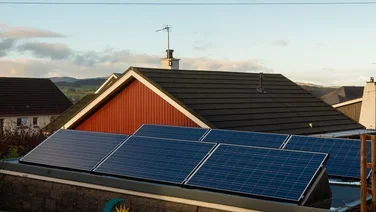
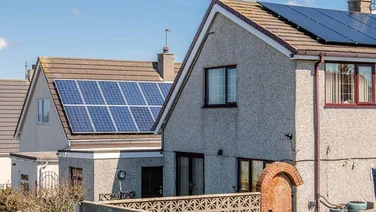
Despite their increase in popularity in recent years many people still argue that solar PV panels are an eyesore. People claim that having the panels on the rooftop ruins the overall look of a house. Whilst this is a subjective viewpoint, homeowners may worry about how potential buyers of their property may feel about the panels should they choose to sell their homes in the future.

Solar PV is many people's vision for the future and judging by the Feed In Tariff Scheme it may well be the government's as well. Environmentalists see solar PV as a viable alternative to current electricity supplies because it does not use any fossil fuels and is a renewable and green energy creator.

The Feed In Tariff Scheme has attracted much media attention and, therefore, has awoken the pubic on the issue of solar PV. The scheme offers strong financial rewards to solar PV owners and this seems to have had a greater impact on sales than the environmental factor alone. To find out if solar is right for you please contact our Eco Experts today.

Spread the Word!